Solanum lycopersicum
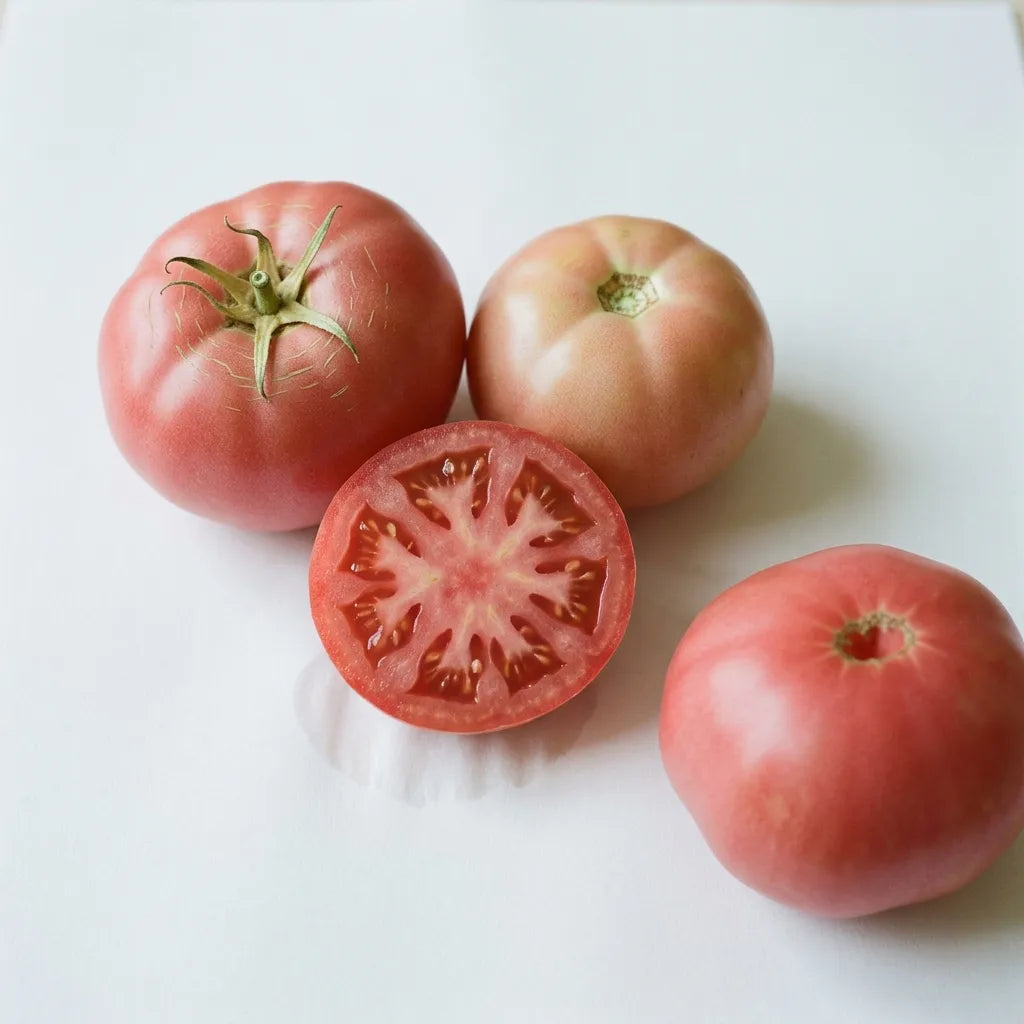
Rose de Berne Tomato, Berner Rose: originally from Switzerland, it is one of the most sought-after tomatoes among enthusiasts—and one of the most fragile. Its very thin skin, which makes it impossible to transport and therefore absent from market stalls, is precisely what gives it its reputation for flavor. This is a tomato you have to grow yourself to truly know.
Characteristics:
-
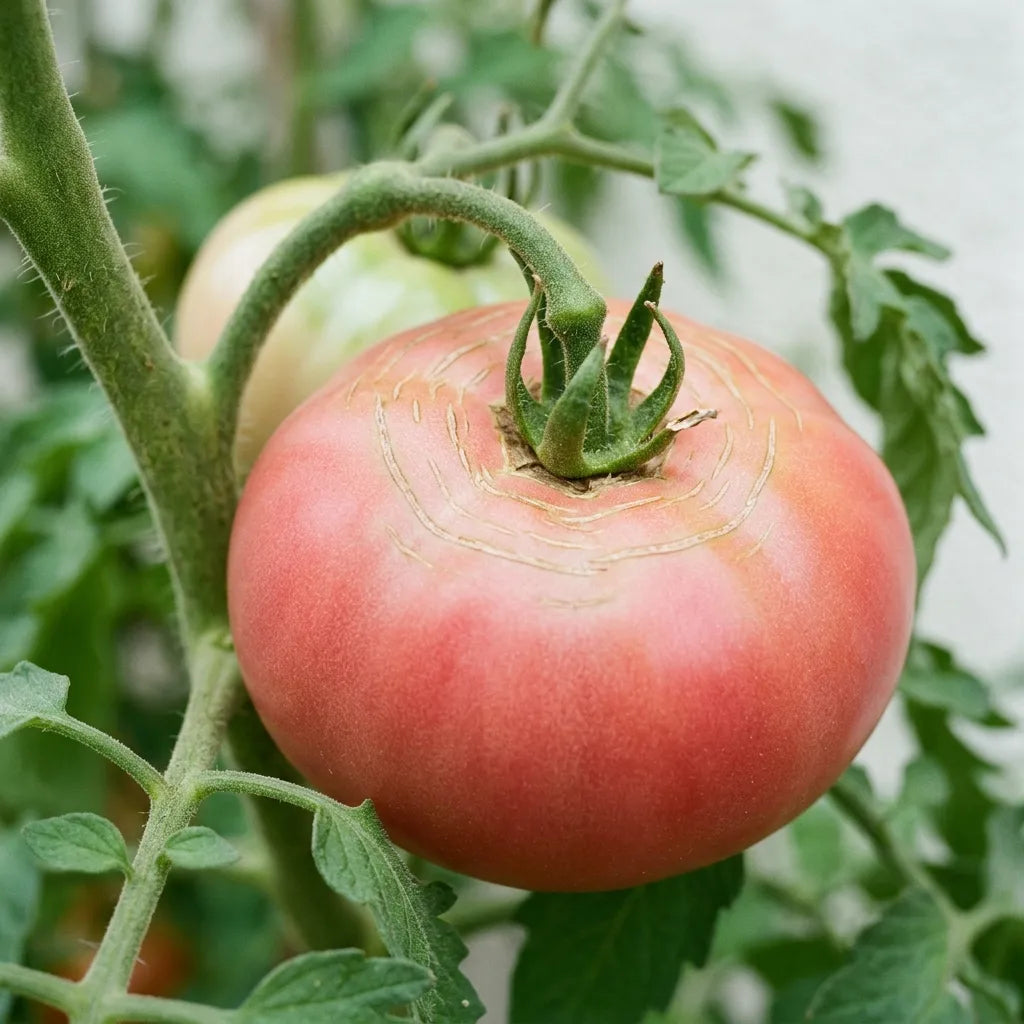
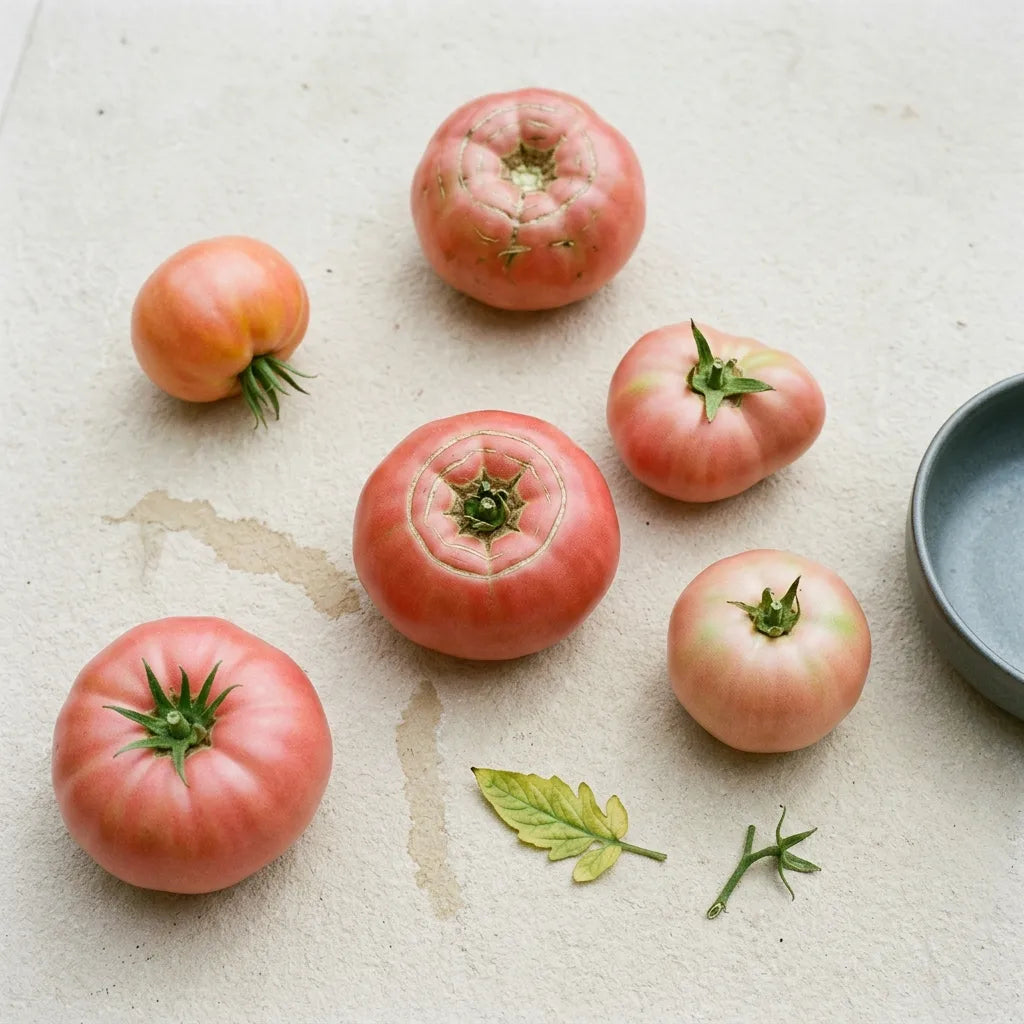
Very thin skin: almost imperceptible in the mouth, but fragile—it cannot withstand transport or rough handling.
-
Sweet, fruity flavor: low in acidity, highly aromatic, and regularly ranked among the best.
-
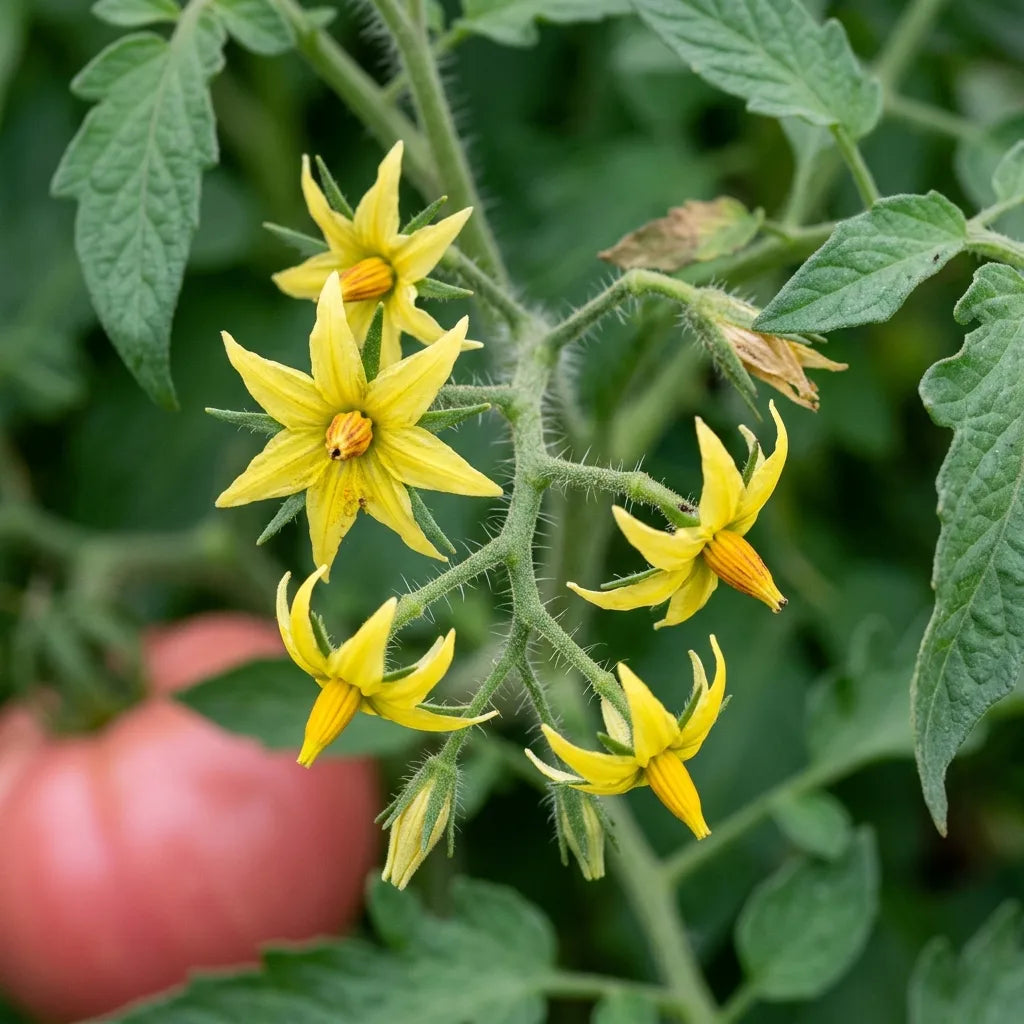
Large fruit: about 400 g per fruit, pink, then pastel red when fully ripe.
-
Extended harvest: it produces regularly throughout the summer rather than all at once.
Sowing advice:
-
Exposure: full sun and warmth.
-
Soil: deep, rich, loose, and well-drained, enriched with well-rotted compost.
-
Method: sow from March under cover, at a minimum of 20 °C—below that temperature, the seeds will not germinate. Cover with 5 mm of soil. Transplant into a small pot at the two-true-leaf stage. See how to sow your seeds.
Planting advice:
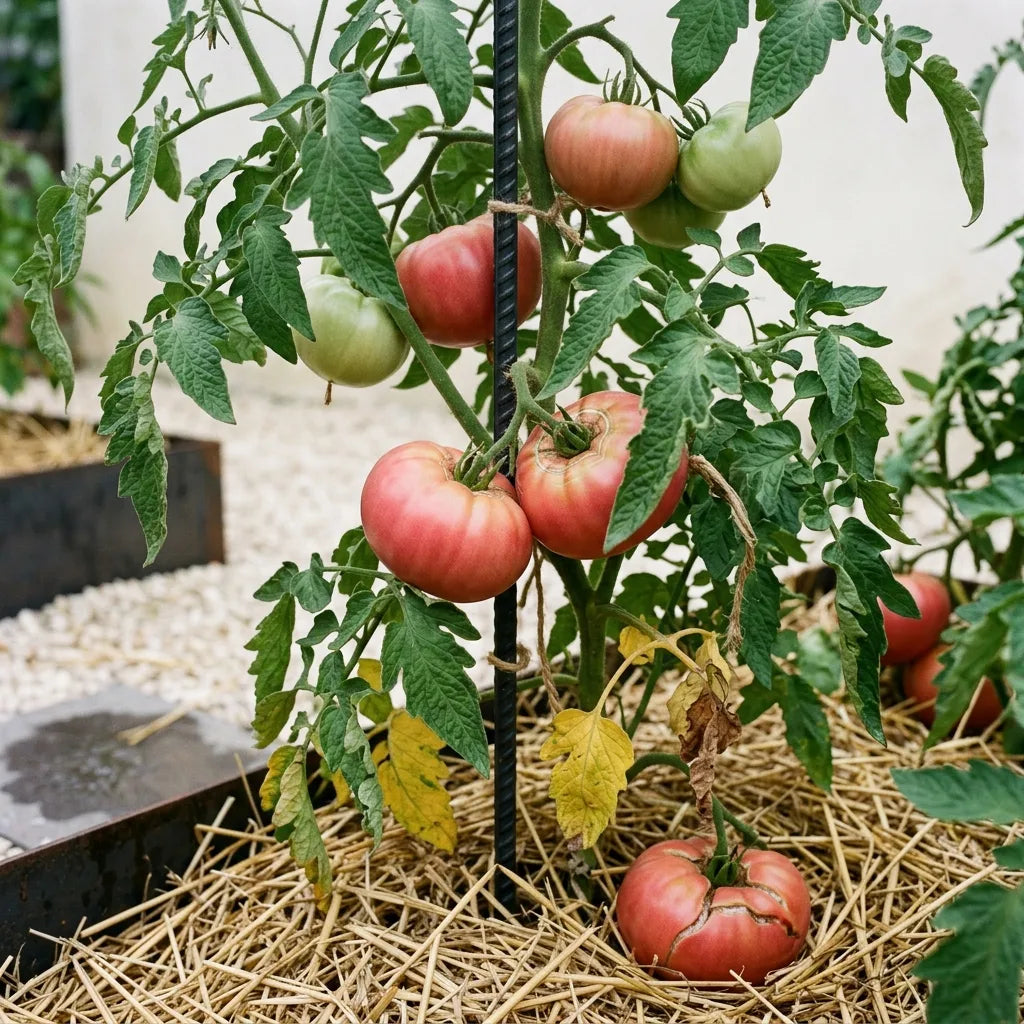
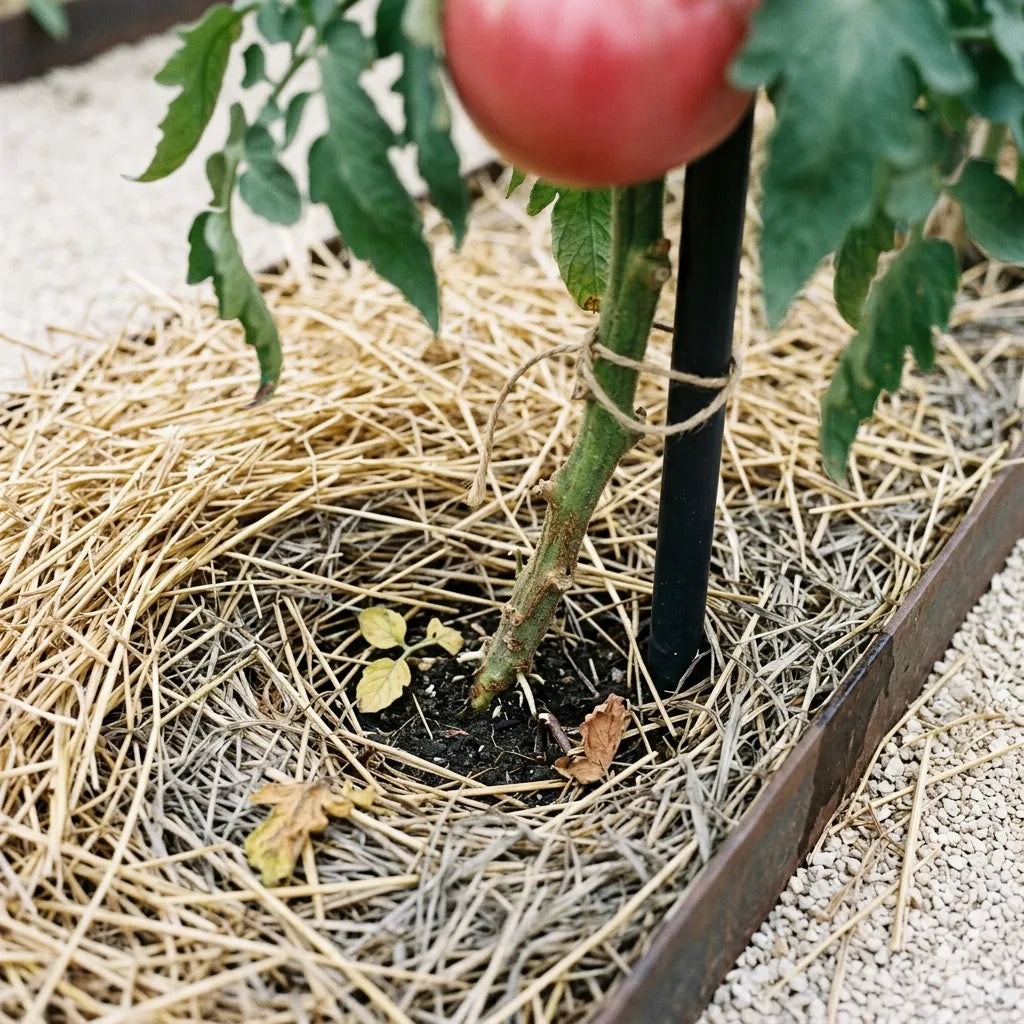
- Transplant after the last frosts, spacing plants 70 to 80 cm apart. Bury the stem up to the first leaves: tomatoes produce roots along the entire buried section, resulting in a more vigorous plant.
- This is an indeterminate variety: install a sturdy stake at planting time.
Care advice:
-
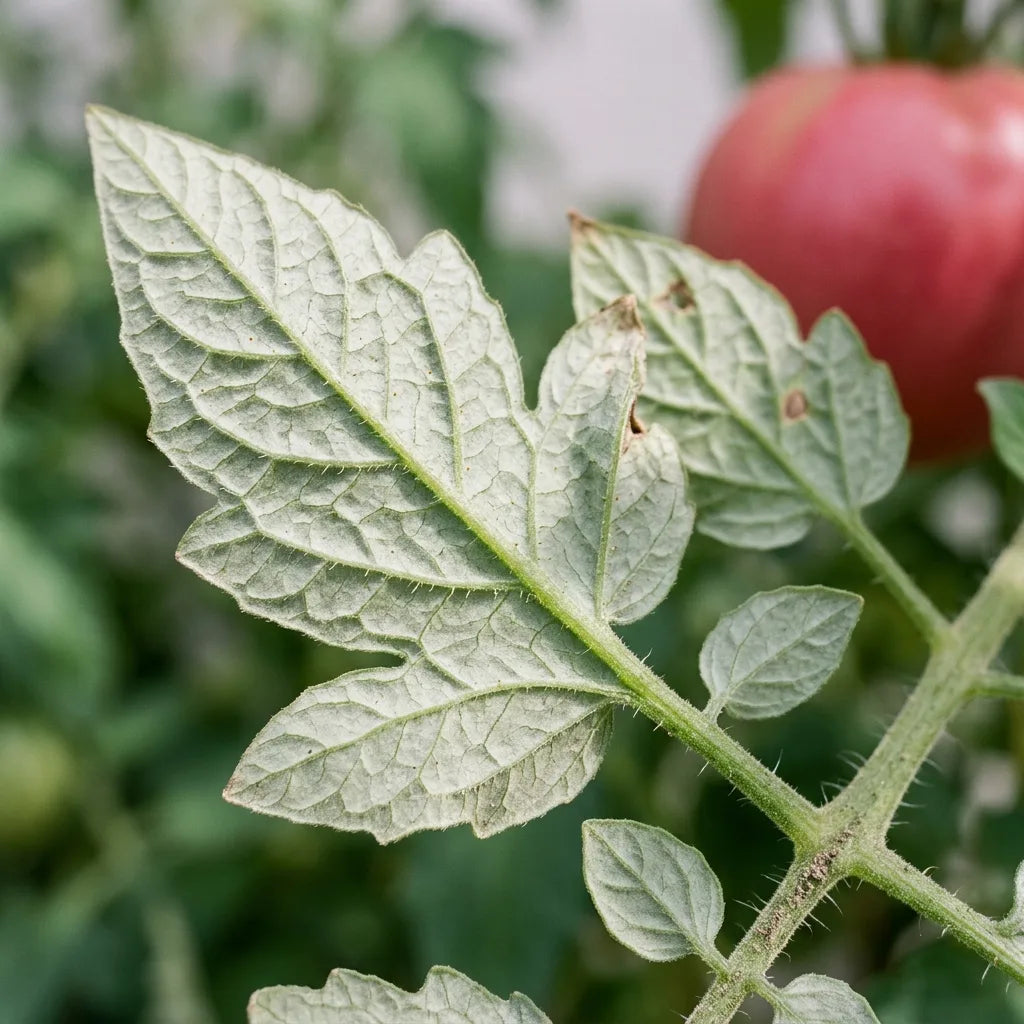
Always water at the base, never over the foliage, preferably in the morning: water on the leaves provides an entry point for blight. Apply a thick mulch.
- Water very regularly and evenly: because of its thin skin, this variety is particularly prone to splitting after rain or watering following a dry period. Here, a thick mulch is more than just a convenience.
- Remove suckers and limit the plant to 5 or 6 trusses.
- Allow three to four years between crops.
Harvesting advice:
- Harvest carefully, supporting the fruit: its skin marks at the slightest impact. Eat it quickly, as it keeps for only a few days.
- Never refrigerate it, as refrigeration destroys its aromas.
Beneficial companion plants:
Benefits for biodiversity:
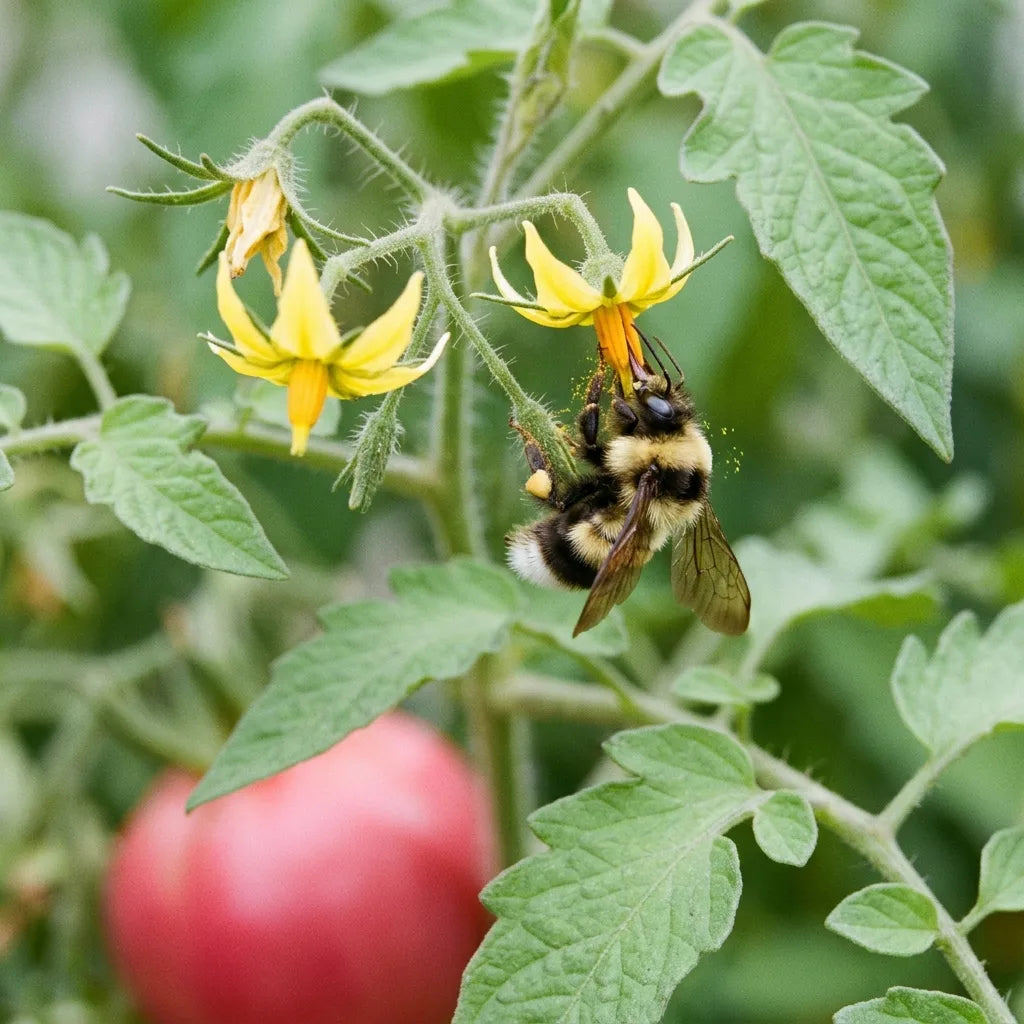
- Its flowers are pollinated by vibration: only bumblebees make full use of them. Welcoming bumblebees directly improves your harvest.
- A reproducible heirloom variety excluded from commercial trade because of its fragility: growing it helps keep it alive. See our heirloom tomatoes to sow.
Uses:
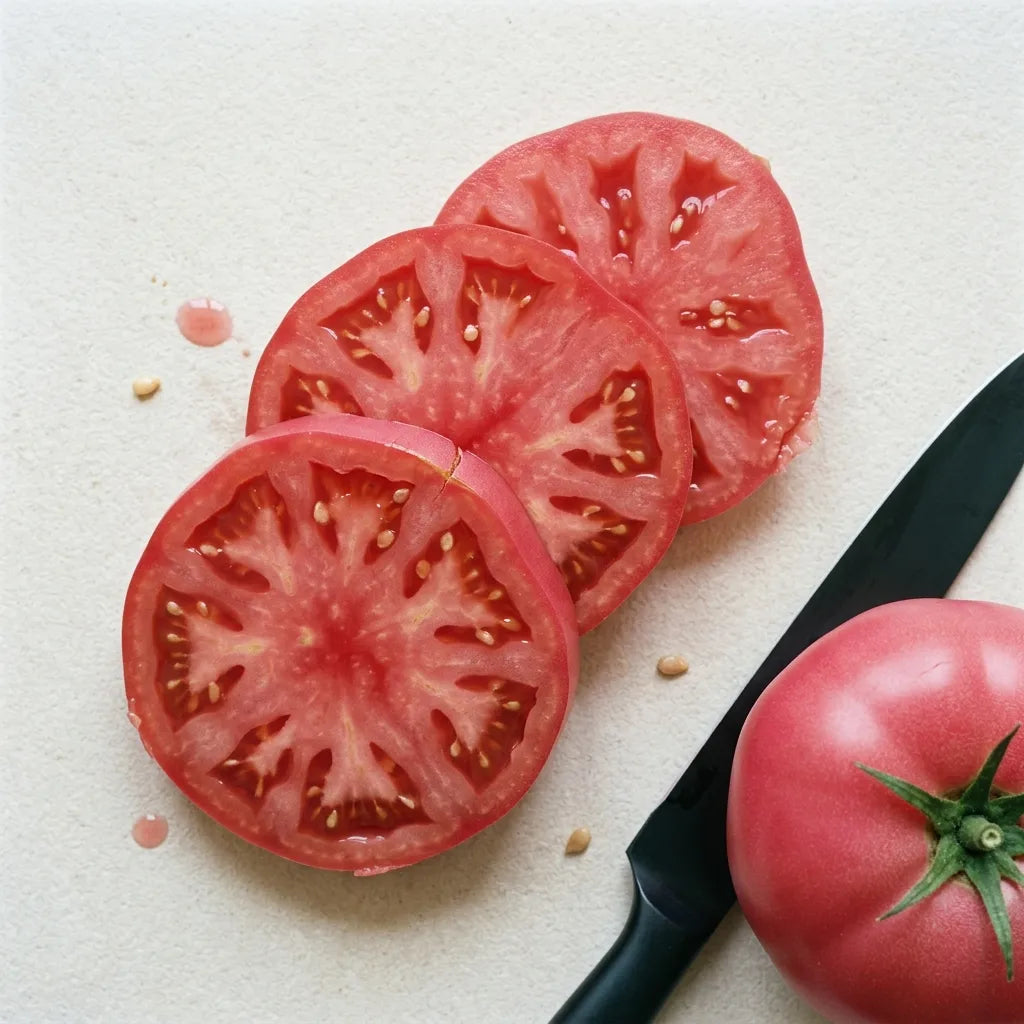
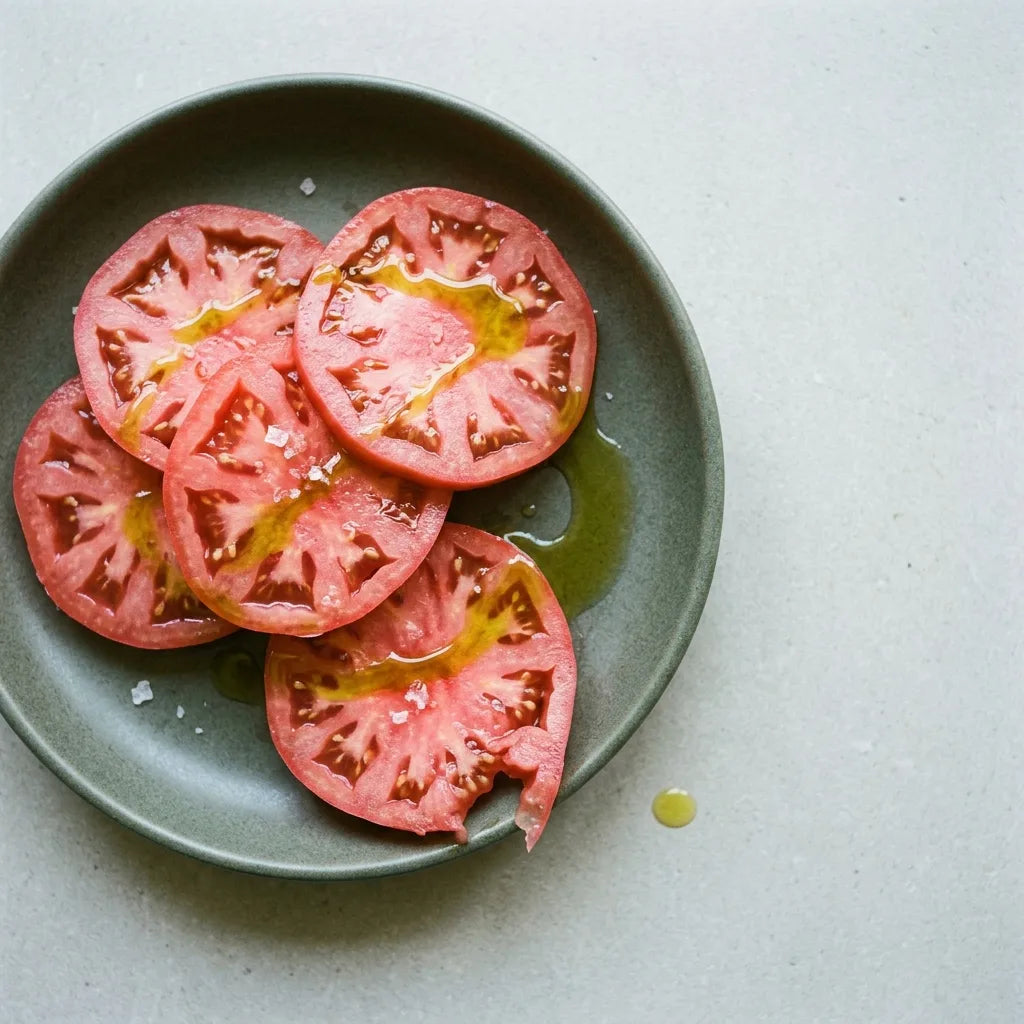
- Raw, sliced, with a drizzle of olive oil and nothing else—that is how it shows itself at its best. Cooking would spoil its delicacy.
Saving your own seeds:
Take the pulp from a beautiful, fully ripe fruit and let it ferment for two to three days in a little water—this step breaks down the gelatinous coating that inhibits germination—then rinse: the healthy seeds will sink to the bottom. Dry them flat. See how to store your seeds.
Commitment to Quality: at SemiSauvage - Permaculture, we grow and select our seeds with respect for living things as our guiding principle. Based near the Volcanoes of Auvergne, we choose reproducible, non-hybrid varieties, tested for their germination rate, carefully sorted and packaged, with no chemical treatment whatsoever. Our belief: to give gardeners back the ability to resow, year after year, seeds that truly belong to them.
Too fragile for market stalls: a tomato you have to grow to truly know.