Allium fistulosum
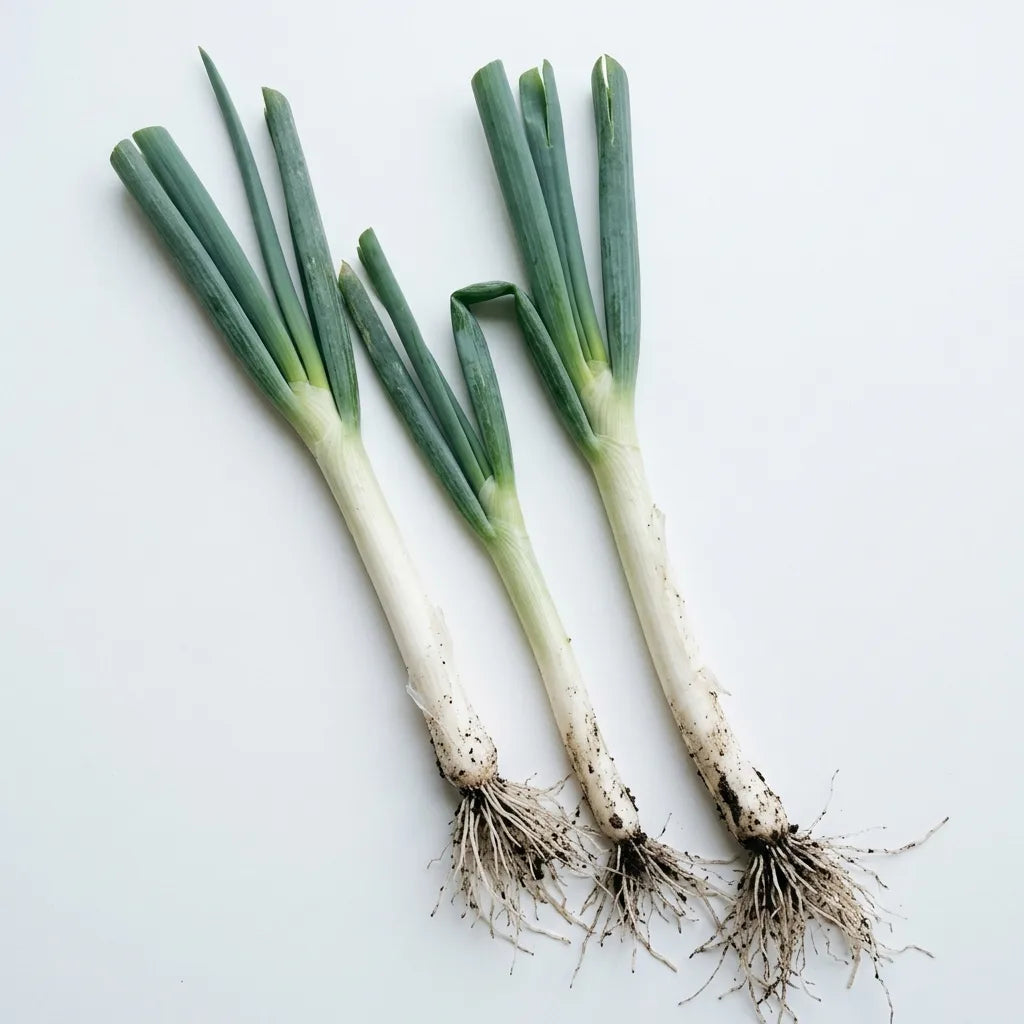
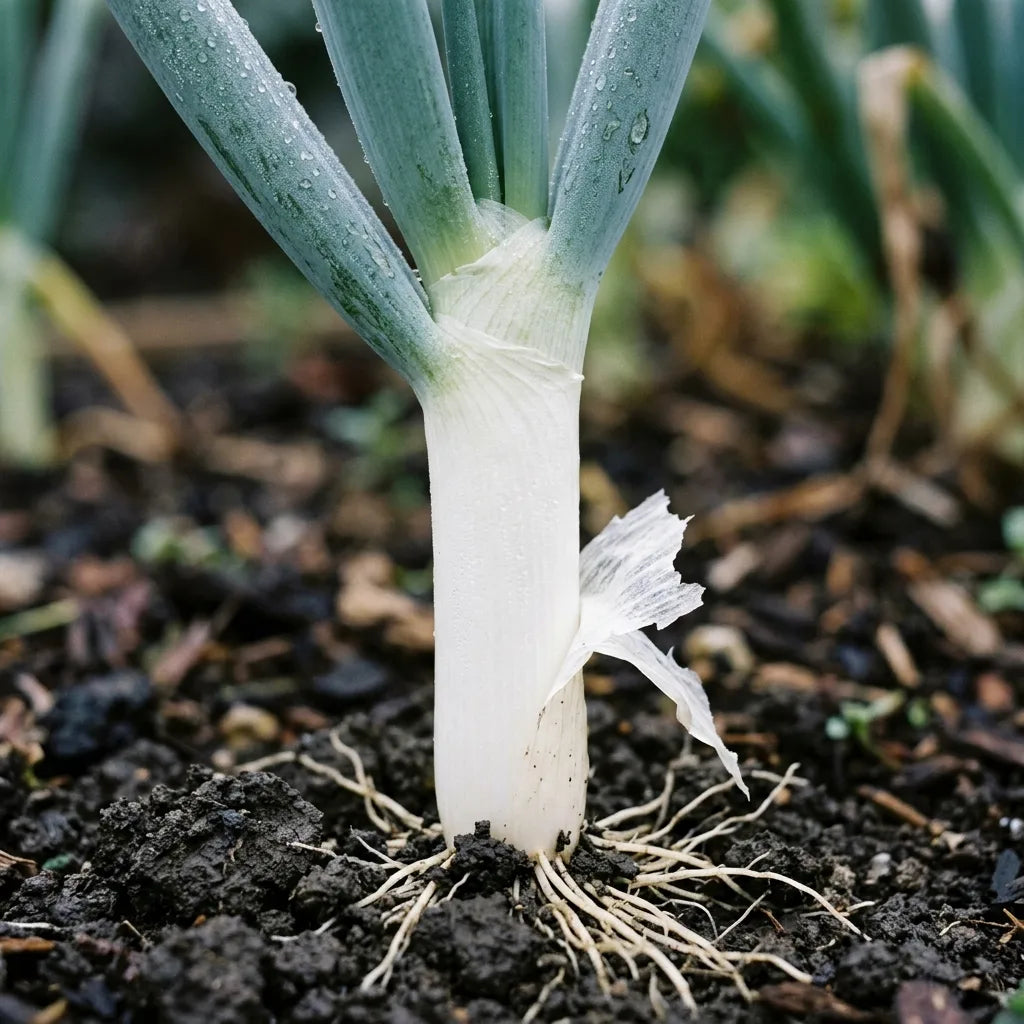
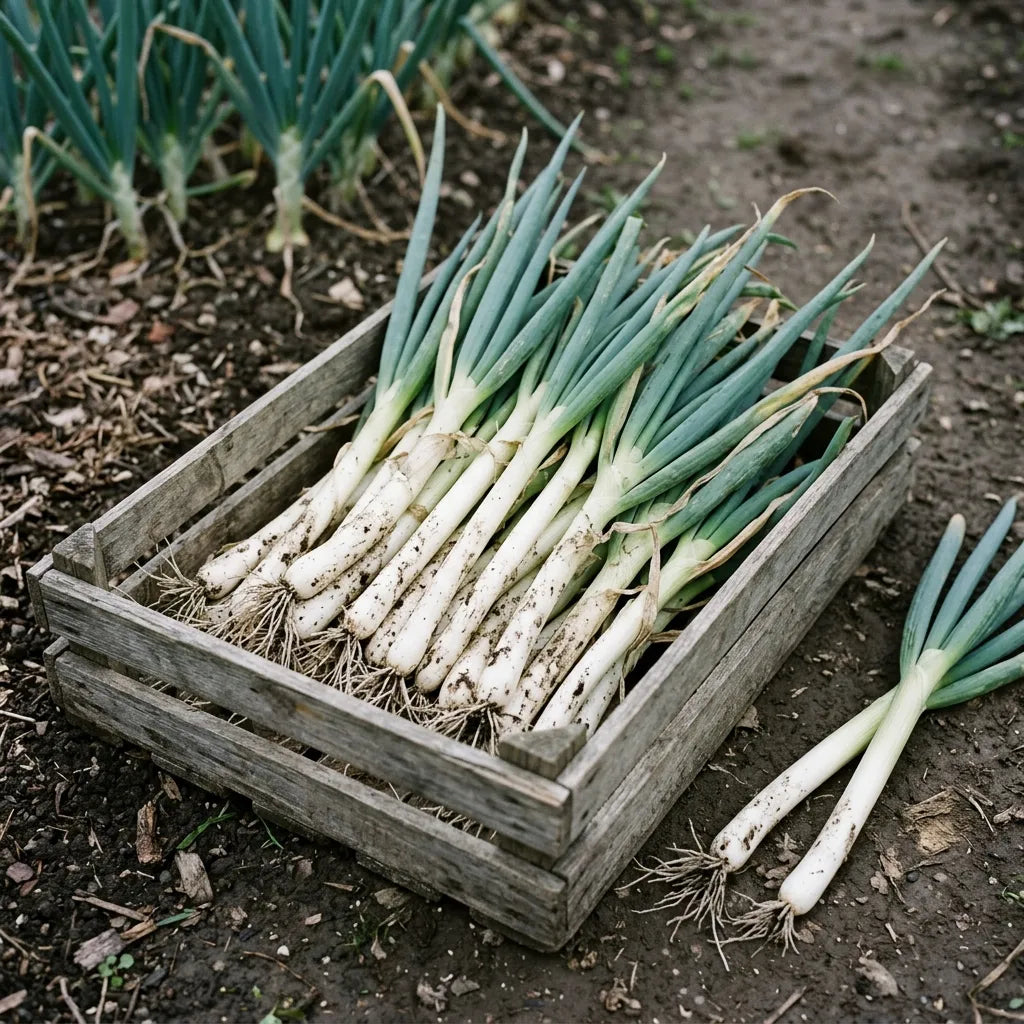
Ishikura bunching onion, Japanese leek, Japanese scallion, spring onion, Saint James's chive, negi: it never forms a bulb. That is its great peculiarity — it is grown like a leek, earthing up to blanch the stalk, but harvested young like a green onion. A traditional Asian variety with a delicate, finely garlicky flavor.
Characteristics:
-
Bulbless: it forms long, straight white stalks topped with tubular foliage.
-
Delicate flavor: milder than an onion, more garlicky than a leek.
-
Perennial in mild climates: often grown as an annual in our latitudes.
-
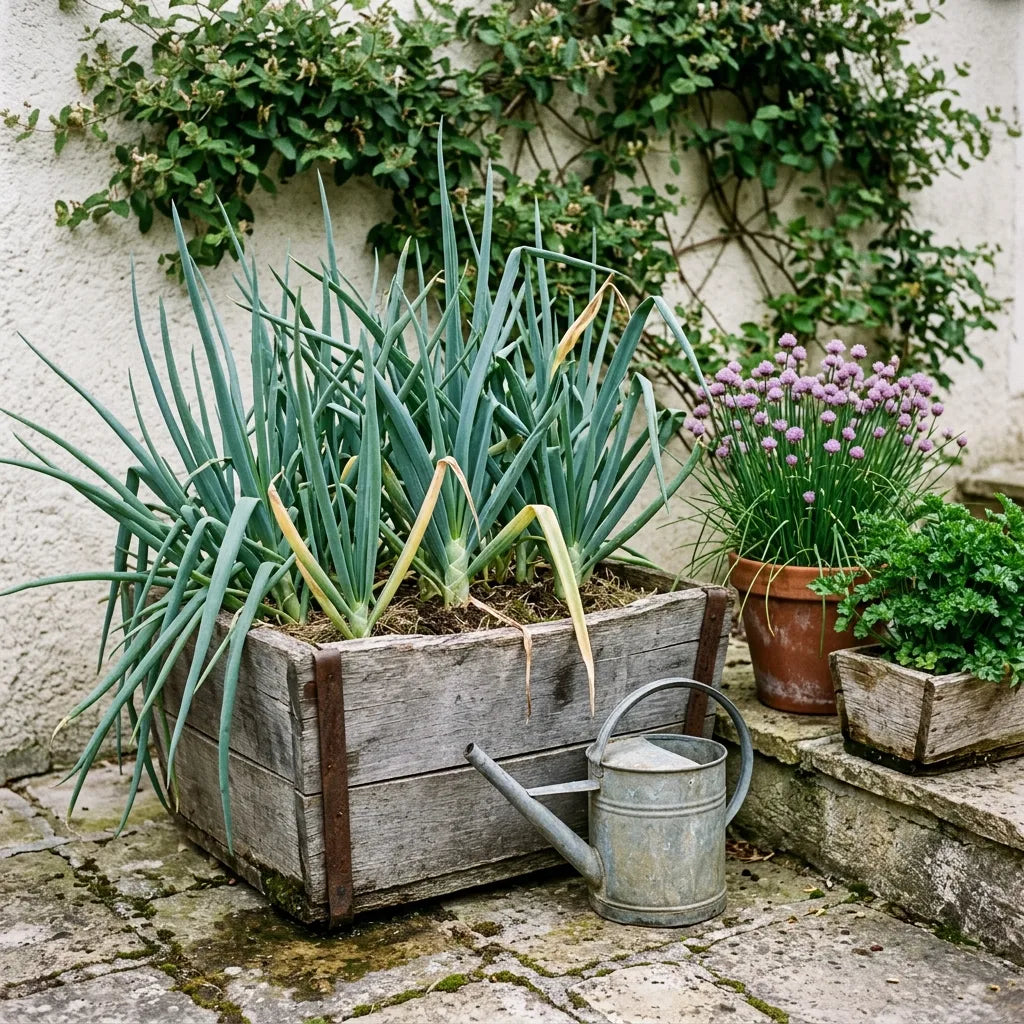
Compact: 40 to 60 cm, ideal for the vegetable garden or a container on a terrace.
Sowing advice:
-
Exposure: full sun.
-
Soil: rich, moist, and well drained. Unlike bulb onions, it appreciates well-nourished soil: adding compost produces thicker, more tender stalks.
-
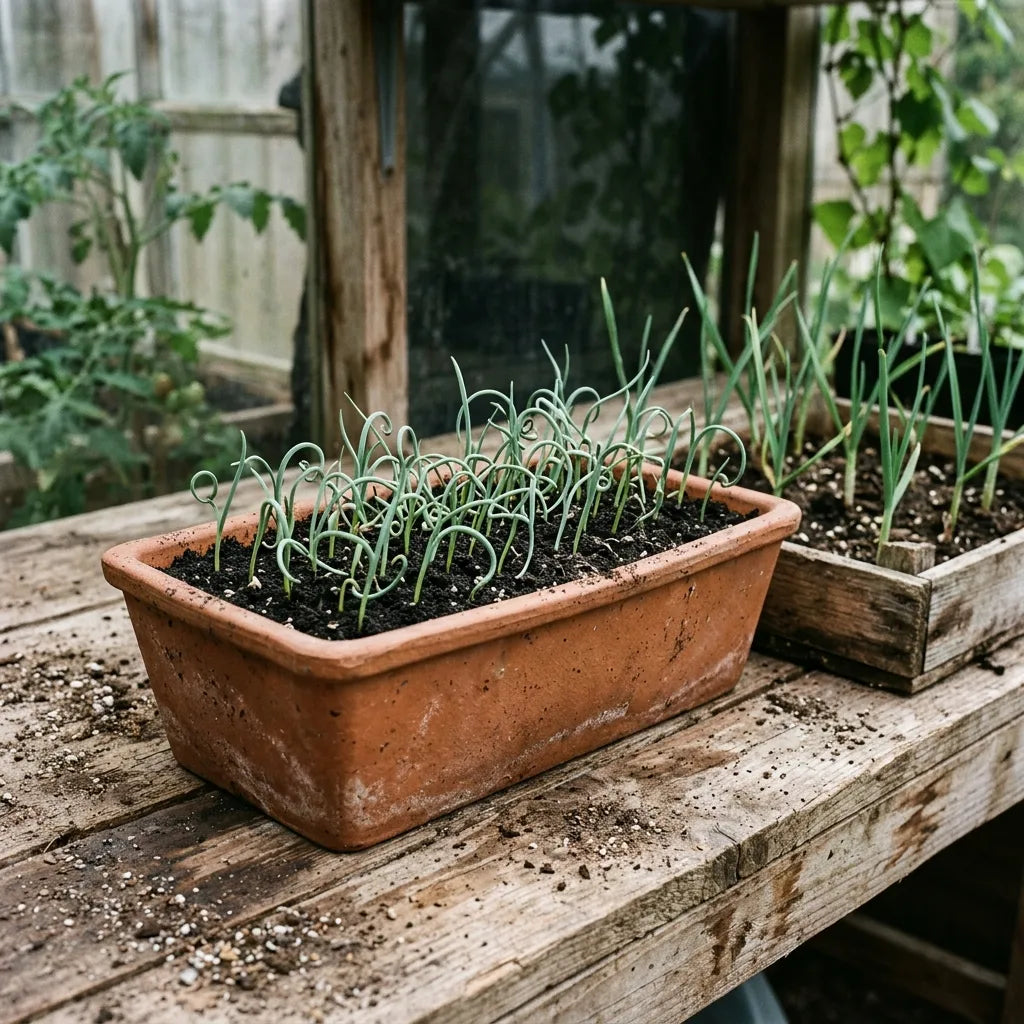
Method: no stratification required. Sow directly in the ground from March to July, or under cover from February, at a depth of 1 cm, spacing plants 10 cm apart. See how to sow your seeds.
Care advice:
- Water regularly but not excessively. Hoe to limit competition from weeds.
-
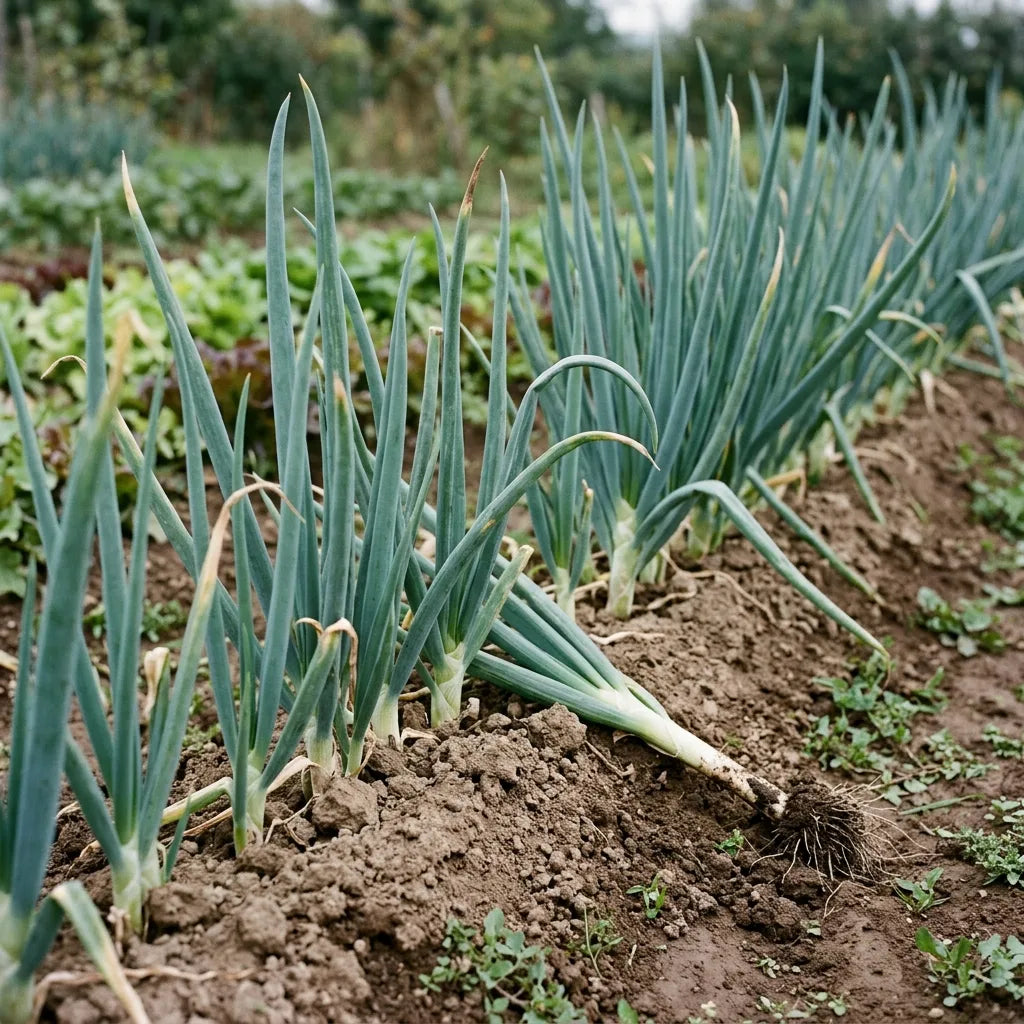
The game-changing step: gradually mound soil around the plants as they grow. This lengthens and blanches the stalk — the most tender and sought-after part.
- In mild climates or with winter protection, the clump regrows on its own in spring.
Harvesting advice:
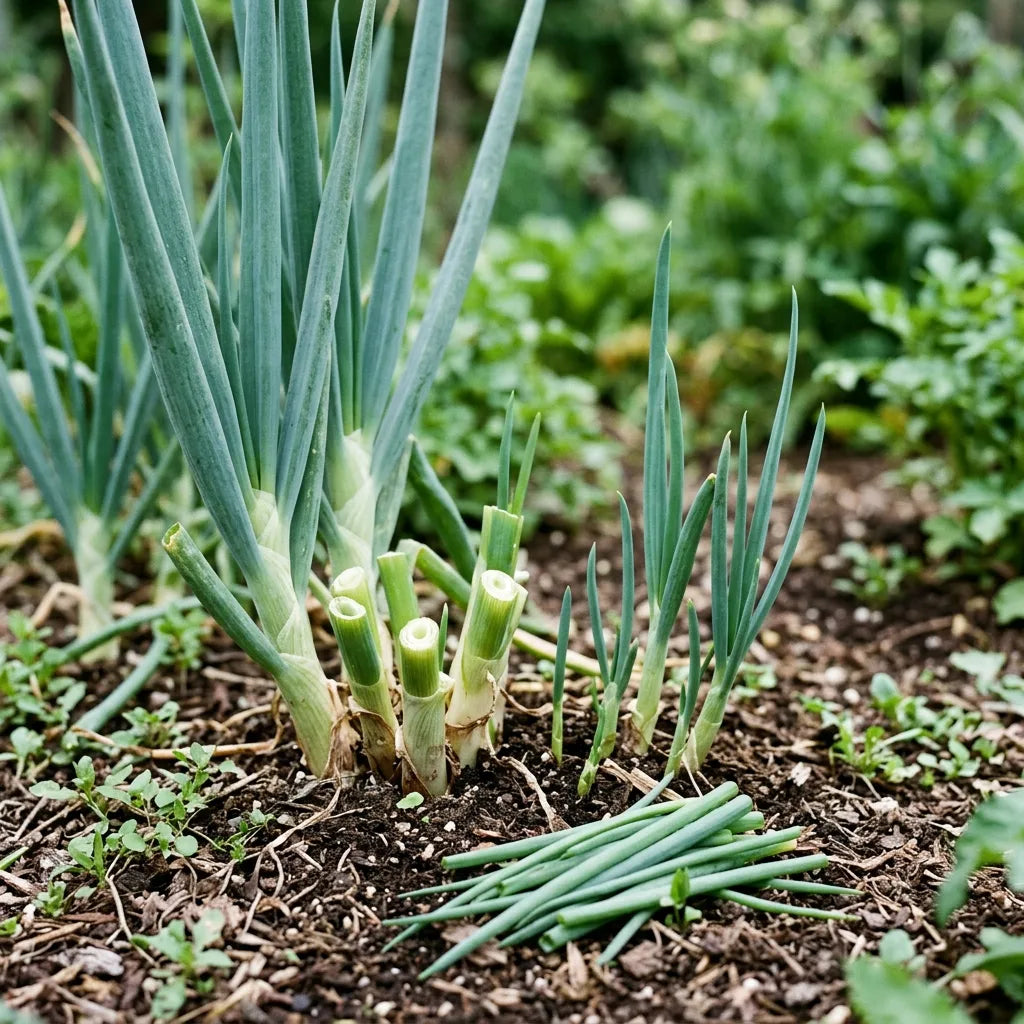
- Harvest young or semi-mature plants as needed, pulling up the entire plant. From an established clump, you can also harvest a few stalks while leaving the rest to keep growing.
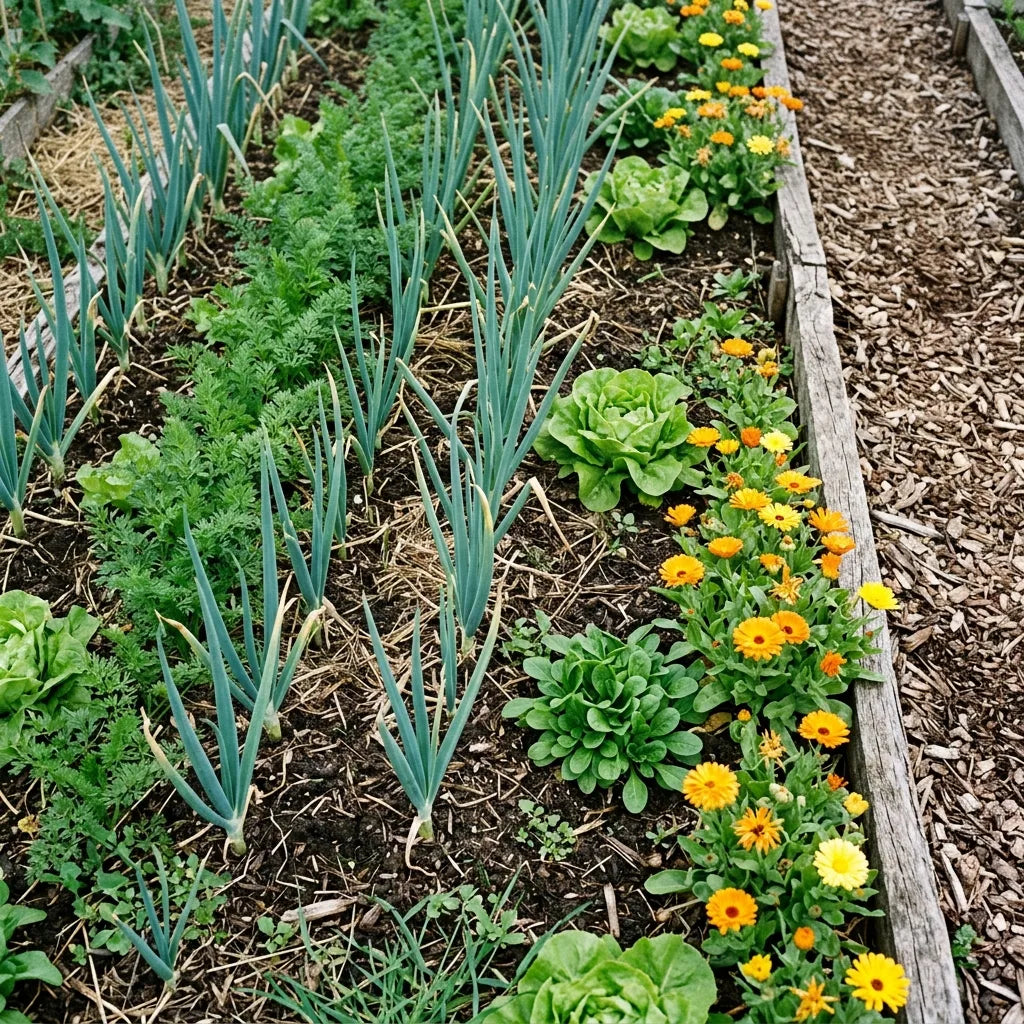
Beneficial companions:
Benefits for biodiversity:
- Its sulfur compounds disorient several pests of neighboring crops, especially carrot flies.
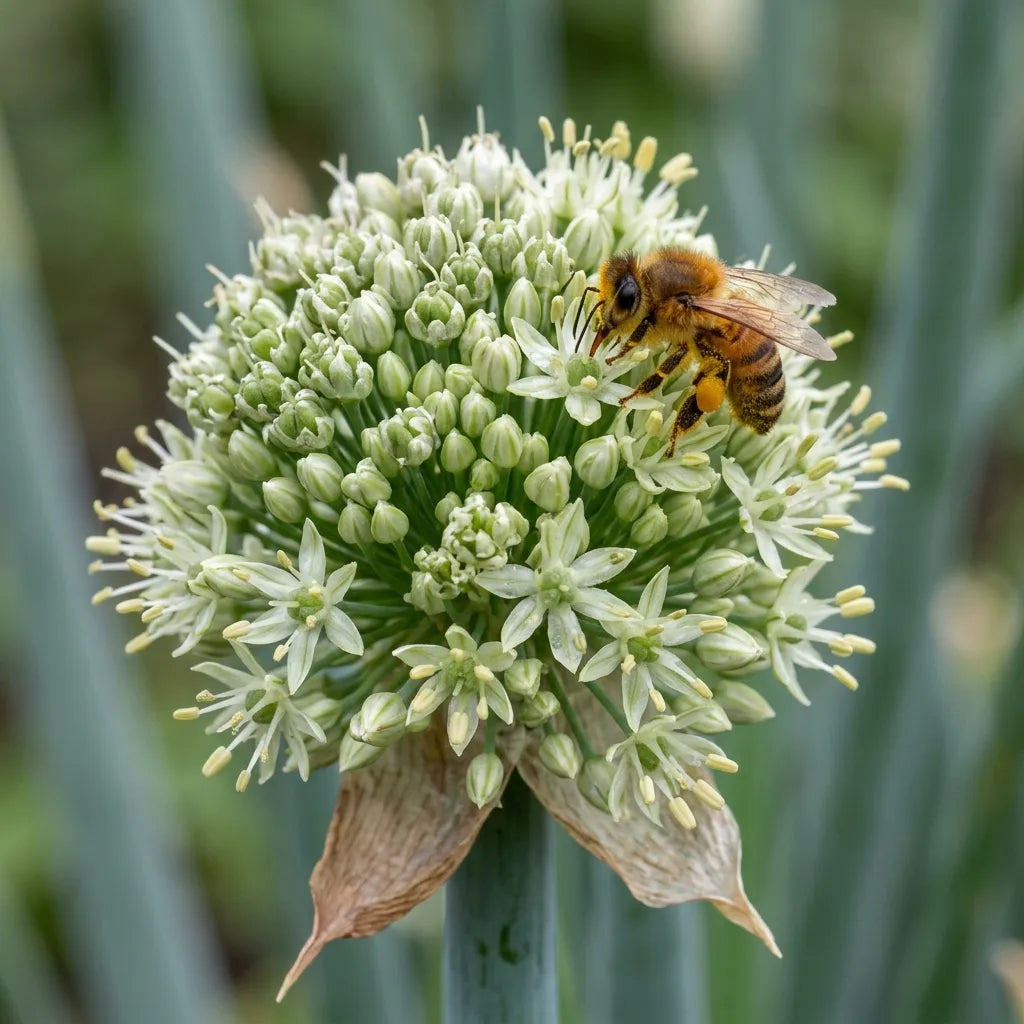
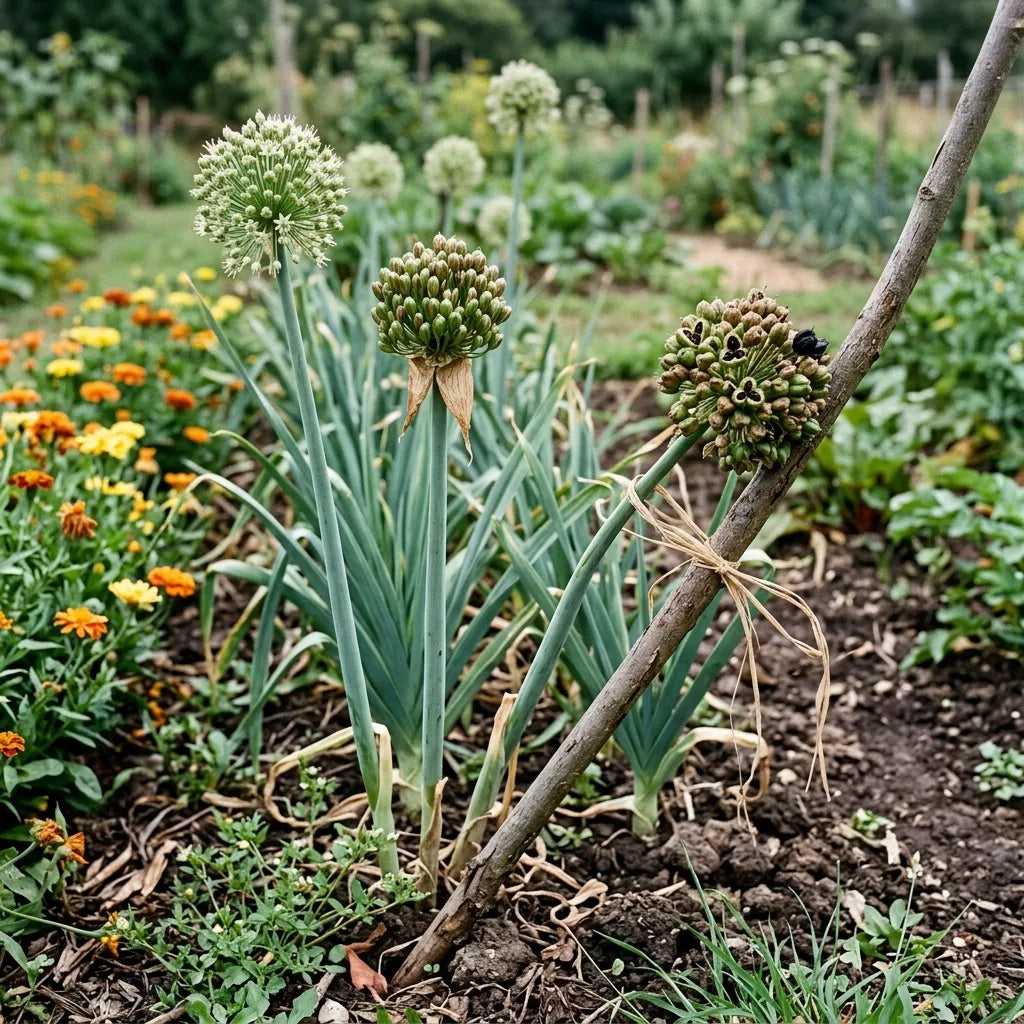
- If allowed to flower, it produces spherical, creamy-white flower heads that are highly visited by bees and hoverflies.
Uses:
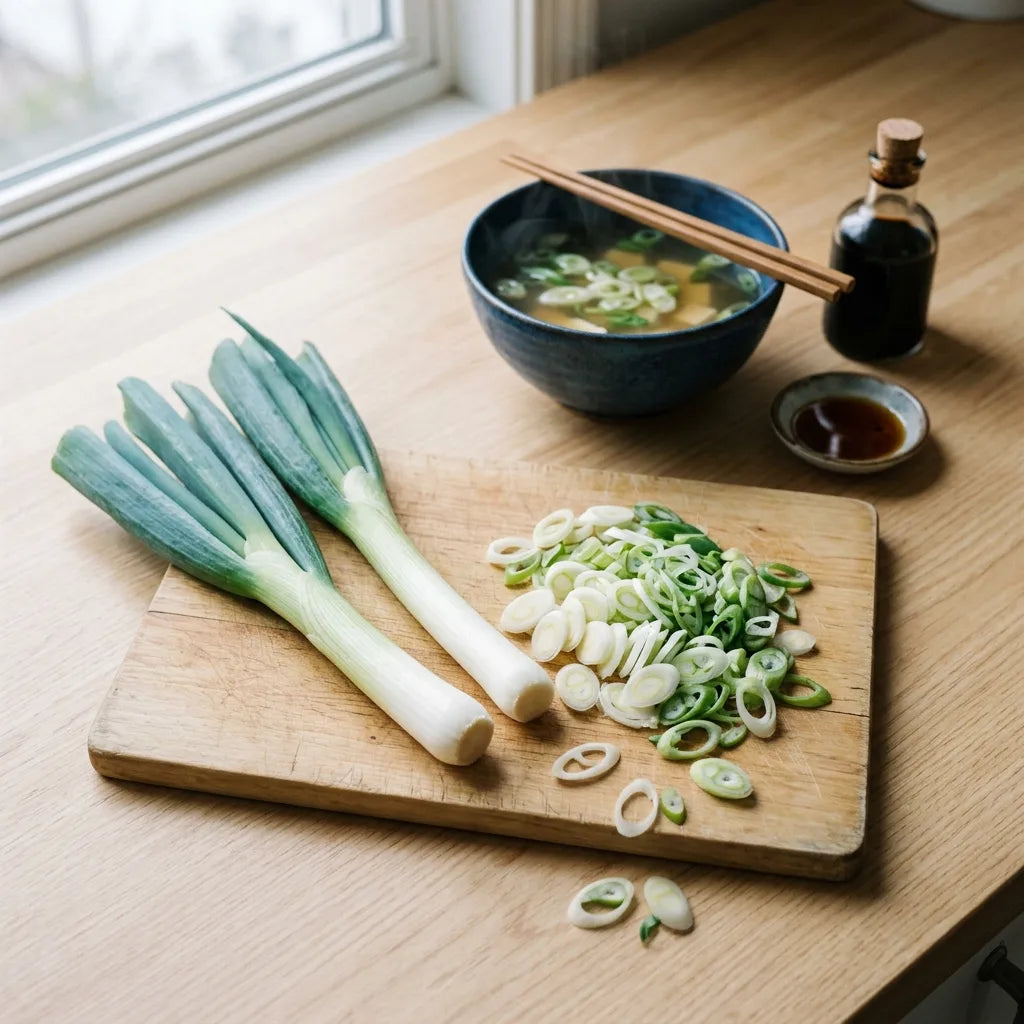
- Young stalks, raw or cooked, like chives or a small leek. An essential ingredient in Japanese cuisine — ramen, stir-fries, broths — it also adds flavor to omelets, tarts, and vegetable dishes.
Symbolism:
A symbol of endurance and perseverance in Asia, it is also reputed in traditional vegetable gardens to help keep diseases at bay.
Harvesting your own seeds:
Leave a few plants to overwinter: they will flower the following spring. Harvest the flower heads when the capsules open to reveal black seeds. It does not cross with bulb onions (Allium cepa), which simplifies seed production. See how to save your seeds.
Commitment to Quality: at SemiSauvage - Permaculture, we grow and select our seeds with respect for living things as our guiding principle. Based near the Auvergne Volcanoes, we choose open-pollinated, non-hybrid varieties, tested for their germination rate, carefully sorted and packaged, with no chemical treatment. Our belief: to give gardeners back the ability to resow, year after year, seeds that truly belong to them.
Neither quite a leek nor quite an onion: the best of both.