Betula pendula (syn. Betula verrucosa)
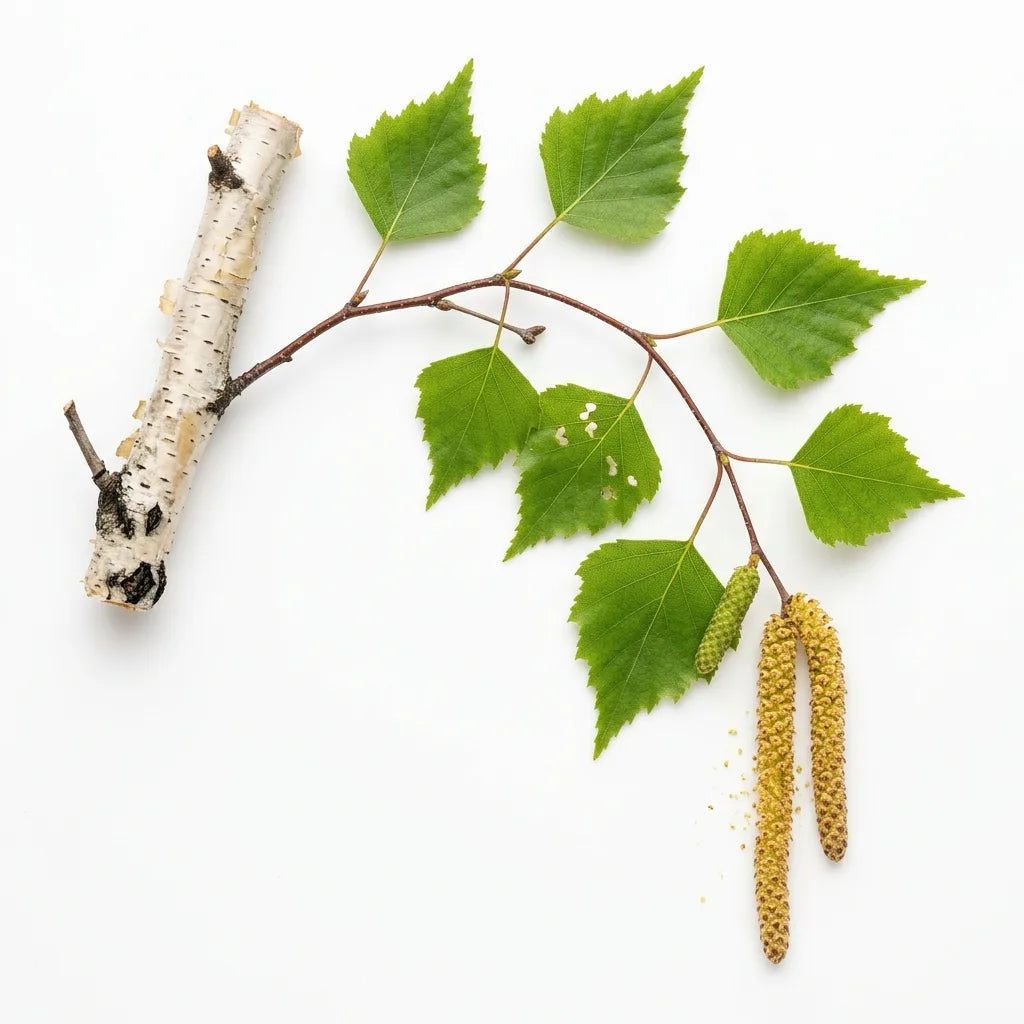
Weeping silver birch, silver birch, European birch, weeping birch: its white bark peels away in thin, papery layers, a distinctive feature that has been used for millennia to make containers, canoes, and even some of the oldest manuscripts in Central Asia. It is also the quintessential pioneer tree, the first to recolonize bare ground.
Characteristics:
-
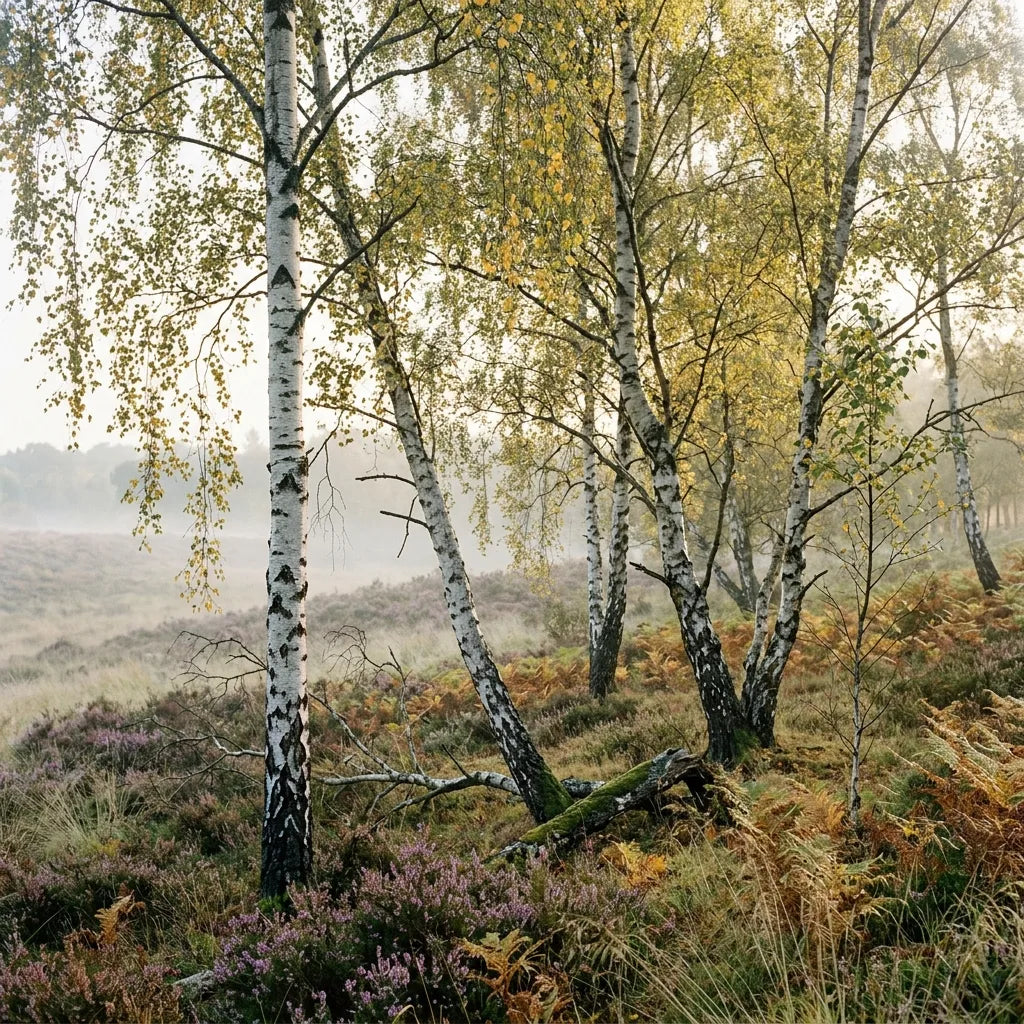
Bright white bark: its distinctive feature, luminous all year round and spectacular in winter.
-
Weeping habit: drooping branches give it a unique grace and lightness.
-
Light foliage: pale green in summer and golden yellow in autumn, it lets the light through.
-
Moderate size: 10 to 15 metres at maturity, with rapid growth during its first few years.
Sowing advice:
-
Exposure: full sun to partial shade.
-
Soil: light, well-drained, preferably acidic to neutral, even poor or sandy — it is a pioneer and establishes itself where the soil is inhospitable. It tolerates moist soils well but is sensitive to strongly calcareous soil and prolonged drought, as its roots are shallow.
-
Method: cold stratification for 60 to 90 days is recommended. Then sow on the surface without covering, as its tiny, winged seeds need light to germinate. Germination in 2 to 4 weeks at 15-20 °C.
Planting advice:
- Transplant it while young to its permanent position: birch does not tolerate transplanting well once established. Plant it as a solitary specimen, in a group of three, or in a row.
- Its white bark and graceful habit make it a popular bonsai subject — see our guide creating a bonsai from a seed.
Care advice:
- Water moderately while it establishes, after which it becomes fairly self-sufficient. Mulch around the base: its shallow roots suffer during dry summers.
- Do not prune it in spring: it “bleeds” sap profusely. Prune in late summer or autumn.
Beneficial associations:
- Perfect at the edge of a woodland with other local species such as black elderberry, or contrasting with light-shade ground covers such as heather, which shares its preference for acidic soils.
-
Permaculture tip: as a pioneer species, it structures poor soils and initiates plant succession toward more complex forest systems. Its light shade allows an understory to be established from the early years. See the basics of permaculture.
Benefits for biodiversity:
- Birch is one of Europe’s tree species richest in associated biodiversity: several hundred insect species depend on it, including many butterfly caterpillars.
- Its seeds feed redpolls, goldfinches, and tits throughout the winter.
- It forms mycorrhizal associations with many fungi, including several boletes — see the basics of living soil.
Uses:
- Ornamental tree for gardens, rows, and wet areas. Its light-coloured, lightweight wood is valued for light joinery, woodturning, and carving. Its sap, collected in spring, is a traditional drink in northern Europe.
Symbolism:
A symbol of renewal, purity, and light throughout Northern Europe, birch is associated with resilience: it is often the very first tree to recolonize bare or burned ground.
Harvesting your own seeds:
Harvest the drooping female catkins as soon as they turn brown in late summer, before they disintegrate, then crumble them over a container: the winged seeds are tiny and extremely numerous. See storing your seeds.
Commitment to Quality: at SemiSauvage - Permaculture, we grow and select our seeds with respect for living organisms as our guiding principle. Based near the Auvergne Volcanoes, we choose reproducible, non-hybrid varieties, tested for their germination rate, sorted and carefully packaged, with no chemical treatment. Our belief: to give gardeners back the ability to resow, year after year, seeds that truly belong to them.
Plant the quintessential pioneer tree and set life in motion on bare soil.