
في هذا المقال 8
«تربة فقيرة وجافة»: نستخدم العبارة كما لو كانت حالة واحدة، بينما تشمل قيدين مختلفين لا يُعالجان بالنباتات نفسها ولا بالممارسات نفسها.
قد تكون التربة فقيرة وتظل رطبة — وهذا حال كثير من الأراضي الرملية في قيعان الوديان. وقد تكون جافة وغنية في الوقت نفسه — مثل التربة الطينية في مناخ متوسطي. ابدأ بتحديد أي الحالتين تنطبق عليك: فالحل ليس واحدًا.
إجراء التشخيص
تربة فقيرة: كمية قليلة من المادة العضوية
العلامات: لون فاتح، وبنية غبارية أو متماسكة على العكس من ذلك من دون كتل ترابية، وقلة ديدان الأرض أو انعدامها، ونباتات تلقائية قصيرة ومتفرقة. تبدأ المحاصيل بالنمو فيها ثم تتوقف، وتكون أوراقها شاحبة.
اختبار بسيط: خذ كتلة من التربة ضلعها 20 سم، وأحصِ الديدان. وجود أقل من ثلاث ديدان يدل على أن التربة فقيرة بيولوجيًا. راجع أساسيات التربة الحية.
تربة جافة: احتياطي مائي منخفض
العلامات: تجف التربة خلال بضع ساعات بعد هطول المطر، وتختفي مياه الري فورًا، وتذبل النباتات بعد يومين فقط من دون ماء. وغالبًا ما يرتبط ذلك بقوام رملي أو بتربة كثيرة الحصى وضحلة العمق.
يحدد اختبار المرطبان قوام التربة بدقة: تربة منخولة، وماء، وقطرة من سائل غسل الصحون؛ نرجّها ثم نتركها لترتاح 24 ساعة. يهبط الرمل أولًا، والطين أخيرًا. راجع أنواع التربة المختلفة.
الحالة الأكثر شيوعًا هي اجتماع عاملين: تربة رملية، أي نفوذة وفقيرة في الوقت نفسه، لأن المغذيات تنجرف مع الماء. وهذه الحالة تتطلب أكبر قدر من المنهجية — لكنها قابلة للإصلاح، وبسرعة أكبر من التربة الطينية المتماسكة.
الأنواع التي تتكيف مع التربة الفقيرة
تشترك جميعها في أمر واحد: فهي لا تحتاج إلى تربة غنية كي تنتج، وبعضها يحسّن التربة أثناء نموه.
- البقوليات — الفاصولياء، الحمص، الفول، العدس، الحلبة. تثبّت النيتروجين الخاص بها بفضل بكتيريا العقد الجذرية: لا تزعجها التربة الفقيرة، بل تتركها أفضل مما وجدتها.
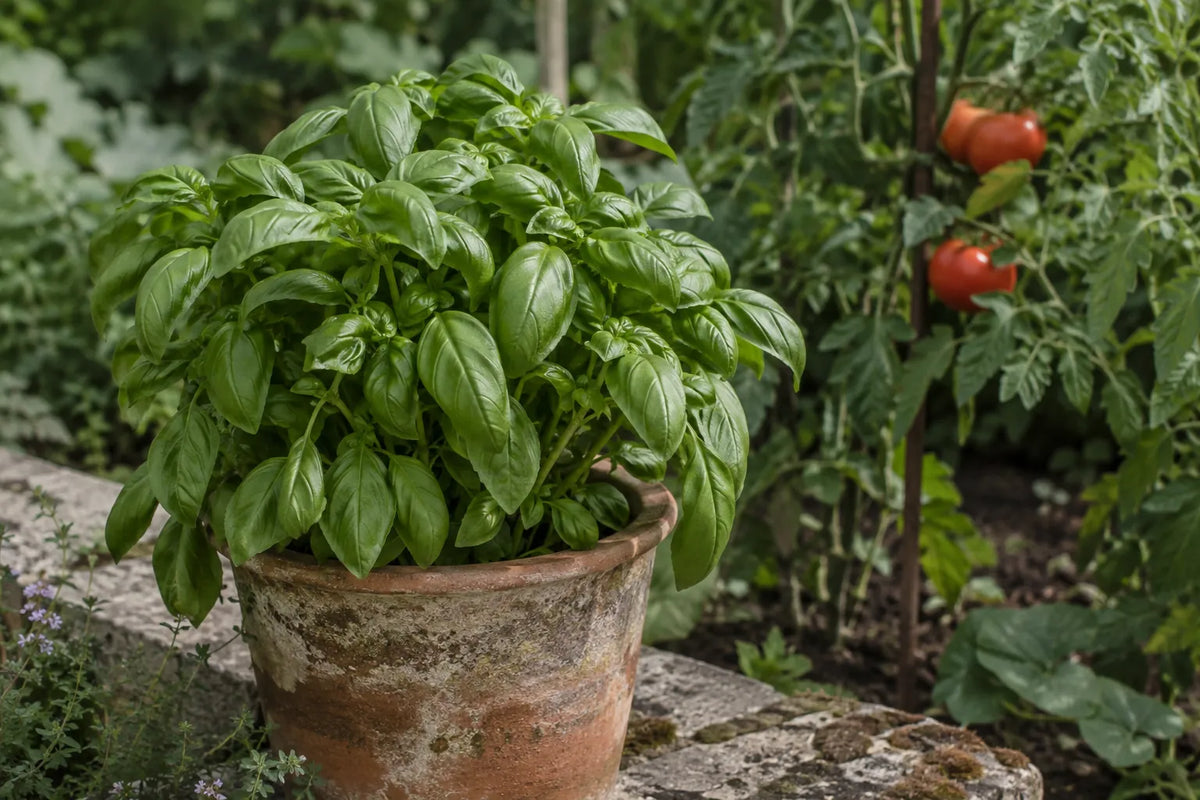
- النباتات العطرية المتوسطية — الزعتر، الميرمية، الخزامى، الأوريغانو، الشيح، الفراسيون. إنها تفضّل تربة فقيرة جيدة التصريف: ففرط غناها يتسبب في تعفّنها ويخفف رائحتها.
- الجذور العميقة — الجزر الأبيض، السلسفي، السكورزونيرا، والجزر. فهي تبحث في الطبقات الأعمق عن ما ينقصها على السطح.
- النباتات القوية في حديقة الخضروات — السلق، الأمارانث، التتراغونيا ذات القرون، كرنب الكيل، الفجل، والجرجير.
- الأزهار قليلة المتطلبات — الكبوسين (الذي يحتاج إلى تربة فقيرة كي يزهر)، الآذريون، الخشخاش البري، القنطريون الأزرق، خشخاش كاليفورنيا.
ينبغي تجنبها ما دامت التربة لم تستعد خصوبتها: الملفوف الرأسي، الكرفس، الكراث، الكوسا، اليقطين، والذرة. إنها الأكثر استهلاكاً للموارد، وستخيّب الآمال.
الأنواع التي تتحمل الجفاف
انتبه إلى عدم الخلط: فبعض نباتات التربة الفقيرة تحتاج إلى كثير من الماء، والعكس صحيح.
- القرعيات الزاحفة — القرع، اليقطين، والبطيخ. تمتلك جذوراً قوية، وتغطي أوراقها التربة فتحميها من التبخر. تحتاج إلى الماء عند تأسيسها، ثم تحتاج إلى كمية أقل بكثير.
- البقوليات ذات الحبوب الجافة — الحمص، العدس، والفاصوليا الجافة. تمتد دورتها مع أمطار الربيع، وتحصد جافة.
- الطماطم المزروعة بعلاً — مع نشارة سميكة وريّ عند الزراعة فقط، تعطي محصولاً أقل، لكنها تركّز النكهات بوضوح. وتناسبها الأصناف القديمة أكثر من الهجائن.
- الأعشاب العطرية المتوسطية — بعد أن تثبت جذورها، لا تعود بحاجة إلى أي ري.
- الأمارانث، السلق، والتتراغونيا — أوراق مقاومة للجفاف، وتحل محل الخس بجدارة في الصيف.
- أزهار الأراضي الجافة — خشخاش كاليفورنيا, اليارو, الإكيناسيا, الفصفصة.
لا تتحمل الجفاف: الخس، الكرفس، الخيار، فجل الصيف، السبانخ. هذه محاصيل ربيعية وخريفية — وإجبارها على النمو في يوليو يستهلك كثيراً من الماء مقابل نتيجة متواضعة.
اطّلع أيضاً على نباتات مقاومة للجفاف.
إعادة بناء الخصوبة، من دون شراء
إنها عملية تستغرق من ثلاث إلى خمس سنوات، لكنها تراكمية ولا تضيع. أربعة عوامل، مرتبة حسب الفعالية.
1. تغطية التربة باستمرار
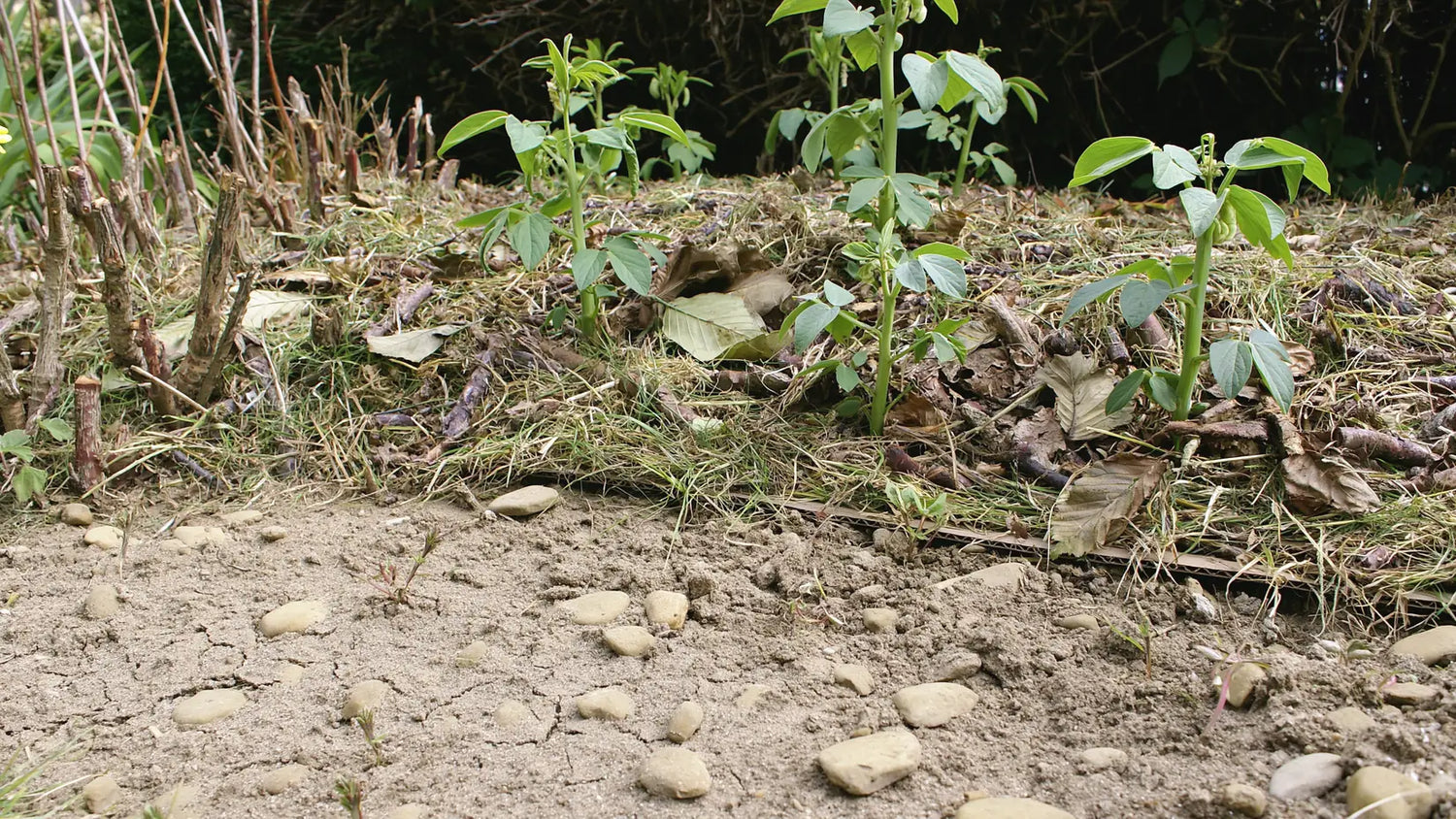
هذا هو الخيار الأكثر جدوى، وهو مجاني. فالتربة العارية تفقد نيتروجينها مع كل مطر، وتحترق تحت الشمس وتتراصّ تحت تأثير قطرات المطر. استخدموا نشارة عضوية أو غطاءً نباتياً طوال العام، بلا استثناء — أوراقاً ميتة، قصاصات عشب مجففة، قشاً، وكرتوناً كطبقة سفلية.
2. زرع الأسمدة الخضراء
في التربة الفقيرة، هذا هو الاستثمار الأسرع مردودًا. الفاسيليا لتغطية التربة بسرعة، والبرسيم الأحمر والبرسيم الحجازي لتوفير النيتروجين وتفكيك التربة بعمق — إذ تنزل جذور البرسيم الحجازي إلى أكثر من متر وتستخرج معادن لا تستطيع المحاصيل الوصول إليها.
في قطعة أرض مستنزفة فعلًا، فكّروا في إخراجها من الإنتاج لمدة سنة أو سنتين وزراعتها بالكامل بالبرسيم الحجازي. راجعوا زرع الأسمدة الخضراء.
3. إضافة المواد العضوية على السطح
سماد عضوي ناضج، وأوراق، وBRF — دائمًا على السطح، وليس مدفونًا أبدًا. في التربة الرملية، يُفضَّل إضافة كميات منتظمة ومعتدلة بدلًا من إضافة كبيرة سنوية، إذ ستتمعدن وتُغسل بسرعة كبيرة.
4. عدم دكّ التربة وعدم قلبها
أحواض بعرض 1.20 متر كحد أقصى، وممرات مخصصة، واستخدام شوكة العَزْق بدلًا من المجرفة. التربة الفقيرة هشة أصلًا: وكل مرور عليها يزيد تدهورها.
إضافة تعمل فعلًا في التربة الرملية: الطين (البنتونيت). وعلى عكس إضافة الرمل إلى التربة الطينية، وهي ممارسة عكسية النتائج، فإن إضافة الطين إلى الرمل تحسّن احتفاظ التربة بالماء والعناصر الغذائية على نحو دائم. إنها مكلفة، لكنها استثمار نهائي.
خطة على مدى ثلاث سنوات
| السنة | ما نفعله | ما نزرعه |
|---|---|---|
| السنة 1 | تغطية كل شيء، وزرع الأسمدة الخضراء في نصف المساحة، وتغطية النصف الآخر بالقش | البقوليات، والنباتات العطرية، والكَبّوسين، والفجل، والسلق — لا شيء من النباتات الشرهة |
| السنة 2 | قصّ الأسمدة الخضراء على مستوى سطح التربة، وإضافة السماد العضوي، والحفاظ على الغطاء | إضافة القرع والطماطم البعلية والمحاصيل الجذرية العميقة |
| السنة 3 | تناوب زراعي كلاسيكي، مع تغطية دائمة للتربة | يكاد يصبح كل شيء ممكنًا، باستثناء النباتات الأكثر استهلاكًا للعناصر في المناطق الأشد فقرًا |
لا تحاولوا معالجة كل شيء دفعة واحدة. ركّزوا الموارد في مساحة صغيرة: فحوضان مُعتنى بهما جيدًا ينتجان أكثر من عشرة أحواض متوسطة، وستلاحظون النتيجة بسرعة أكبر، مما يساعدكم على الاستمرار.
الأخطاء الشائعة
- إضافة الرمل لـ«تخفيف» التربة. في التربة الطينية، ينتج الرمل + الطين + الماء مادةً شبيهة بالخرسانة. إنها النصيحة الأكثر شيوعًا والأشد ضررًا.
- الاعتماد على الأسمدة. فهي تغذي النبات من دون أن تبني شيئًا. في التربة الفقيرة، ما ينقص هو بنية التربة وحياتها، لا المعادن — والأسمدة القابلة للذوبان ستُغسل خلال شهر.
- الري قليلًا وباستمرار. فهذا يُبقي الجذور قريبة من السطح، حيث تجف التربة أولًا. اسقوا على فترات متباعدة وبعمق.
- تغطية تربة جافة. تحافظ التغطية على الرطوبة الموجودة، لكنها لا تخلقها — كما أنها تمنع الأمطار الخفيفة. اسقوا أولًا، ثم غطّوا التربة.
- محاولة زراعة ما لا يمكن زراعته. سيبقى الكرفس في تربة رملية وجافة تجربة فاشلة، مهما بذلتم من جهد. اختاروا أولًا، ثم حسّنوا التربة.
الأسئلة الشائعة
هل ينبغي إضافة السماد العضوي؟
يجب أن يكون متحللًا جيدًا فقط، ولمدة ستة أشهر على الأقل. أما إذا كان طازجًا، فسيكون مركزًا أكثر من اللازم ويحرق المحاصيل. وفي التربة الرملية، يتمعدن بسرعة كبيرة: لذا يُفضّل إجراء إضافات صغيرة متعددة بدلًا من إضافة واحدة كبيرة.
كم من الوقت يلزم لرؤية الفرق؟
تظهر العلامات الأولى — ديدان أكثر، وبنية متفتتة، وتربة تحتفظ بالرطوبة مدة أطول — ابتداءً من السنة الثانية من التغطية الدائمة. أما معدل المواد العضوية فيزداد ببطء، لكنه لا ينخفض مجددًا.
هل الكومة المرتفعة فكرة جيدة؟
ليست كومة مرتفعة، لأنها ستزيد الجفاف. لكن النسخة المدفونة — خشب متحلل في خندق، ثم تغطيته — تعالج هذا العيب تحديدًا بإنشاء مخزون مياه في العمق. راجعوا الزراعة على أكوام مرتفعة.
هل يمكن إنشاء حديقة خضراوات في أرض كثيرة الحجارة؟
نعم، ولا تحاولوا إزالة الحجارة: فهي تحدّ من التبخر، وتخفف تقلبات درجات الحرارة، وتسهّل تصريف المياه. أزيلوا فقط أكبرها من أحواض المحاصيل الجذرية.
وماذا إن كانت تربتي فقيرة لأنها كلسية؟
تعيق التربة الكلسية امتصاص الحديد والمنغنيز والزنك — ومن هنا ظهور الأوراق الصفراء ذات العروق الخضراء. تحسّن الإضافات العضوية الوضع، لكن الأكثر فاعلية يظل اختيار الأنواع المناسبة: فالملفوف والبقوليات والبصل والنباتات العطرية المتوسطية تتكيف معها جيدًا.
ما يجب تذكّره
ميّزوا أولًا بين القيدين: تُعالَج التربة الفقيرة بإضافة المواد العضوية والبقوليات، بينما تُعالَج التربة الجافة بالتغطية واختيار الأصناف المناسبة. وفي الحالتين، الطريقة واحدة — عدم ترك التربة عارية أبدًا — والنتيجة تُبنى على مدى ثلاث سنوات. ابدؤوا على نطاق صغير، في حوضين.
للمزيد من المعلومات
- أنواع التربة المختلفة: كيفية التعرّف إليها وتحسينها
- إنشاء حديقة خضراوات من دون ري
- زراعة الأسمدة الخضراء
- نباتات مقاومة للجفاف
للبدء في أرض صعبة: أسمدتنا الخضراء، ونباتاتنا العطرية المتوسطية، وأصنافنا القديمة الأكثر تحمّلًا من الأصناف الحديثة.

اترك تعليقًا
This site is protected by hCaptcha and the hCaptcha Privacy Policy and Terms of Service apply.