
في هذا المقال 8
لا يكون تقويم الزراعة أبدًا تقويمًا للتواريخ، بل تقويمًا لـالظروف. فقد تفصل بين حديقتين تبعدان 200 كيلومتر ستة أسابيع في المحصول نفسه. لذلك، قبل استعراض الأشهر، يقدّم هذا الدليل المؤشرات الثلاثة التي تتيح تكييف أي تقويم مع حديقتكم — ثم التفاصيل شهرًا بشهر، في الأرض المكشوفة وتحت الغطاء.
المؤشرات الثلاثة التي تغيّر كل شيء
1. تاريخ آخر صقيع لديكم
هذه هي المعلومة الأكثر تأثيرًا في حديقة الخضروات، ومع ذلك نادرًا ما تكون معروفة. في فرنسا، تمتد تقريبًا من منتصف مارس على ساحل البحر المتوسط والساحل الأطلسي الجنوبي إلى منتصف يونيو في المناطق الجبلية متوسطة الارتفاع، مع نطاق واسع حول منتصف مايو. ويُعدّ تقليد «قديسي الجليد» (11-13 مايو) مرجعًا حذرًا صالحًا لجزء كبير من البلاد، لكنه متأخر جدًا في الجنوب ومبكر جدًا في المرتفعات.
بمجرد معرفة هذا التاريخ، يُحسَب كل شيء بالرجوع إلى الوراء: تُزرَع الطماطم تحت الغطاء قبل 6 إلى 8 أسابيع، والقرع قبل 3 إلى 4 أسابيع. لا تؤدي الزراعة المبكرة إلى توفير الوقت — بل تحصلون على شتلات ممدودة ستعاني عند نقلها.
2. درجة حرارة التربة، لا درجة حرارة الهواء
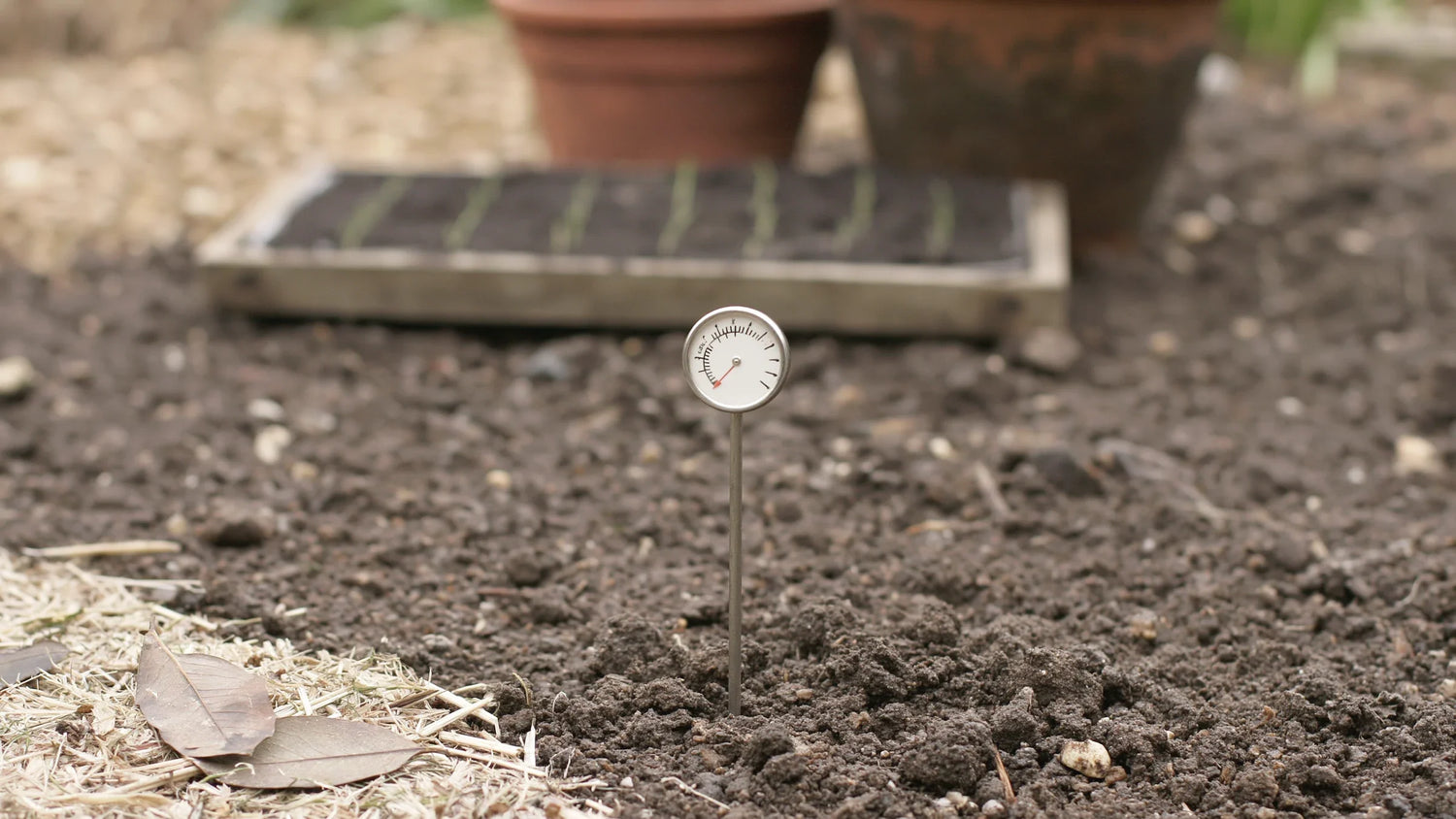
هذا هو الخطأ الشائع في أول عطلة نهاية أسبوع مشمسة من شهر مارس. لا تستجيب البذرة لدفء الهواء، بل لحرارة التربة. إليكم بعض الحدود المفيدة:
| درجة حرارة التربة | ما ينبت |
|---|---|
| ابتداءً من 5 °C | الفول، البازلاء، السبانخ، خسّ الحمل، الفجل |
| ابتداءً من 8-10 °C | الجزر، الخس، الشمندر، البصل، الملفوف |
| ابتداءً من 12-15 °C | الفاصولياء، الذرة، القرع، الكوسا |
| ابتداءً من 18-20 °C | الطماطم، الفلفل، الباذنجان، الريحان، الشمام |
يعطي مقياس حرارة للمطبخ، مغروس بعمق 5 سم في التربة صباحًا، الإجابة خلال عشر ثوانٍ. إنه أفضل استثمار في حديقة الخضروات.
3. الزراعة المباشرة أم الزراعة في أصيص؟
تتلخّص القاعدة في جملة واحدة: كل ما يكره أن يُزعَج يُزرَع مباشرةً في مكانه.
- يُزرع مباشرةً في مكانه حصرًا — الجزر، الفجل، الجزر الأبيض، اللفت، خسّ الحمل، السبانخ، البازلاء، الفول، الفاصولياء. فجذرها الوتدي لا يتحمّل النقل جيدًا.
- يُفضَّل في أصيص — الطماطم، الفلفل، الباذنجان، الملفوف، الكراث، الكرفس: دورة نمو طويلة، ما يتيح كسب أسابيع من الموسم.
- حسب الاختيار — القرع، الكوسا، الخيار، الخس، الريحان. يتيح الأصيص التقدّم في الزراعة دون مشكلة، شرط نقل الشتلات وهي صغيرة.
تُفصَّل تقنية كل طريقة في كيفية زرع البذور في القطن أو في أصيص أو مباشرةً في الأرض.
الشتاء: يناير وفبراير
بذور قليلة، لكنه الشهر الذي يتحدد فيه مسار العام. فهذا هو الوقت لوضع خطة الزراعة، والتحقق من مجموعات البذور، وتجهيز الأوعية.
يناير
- تحت غطاء مُدفأ (20 درجة مئوية كحد أدنى): الباذنجان، والفلفل الحار، والفلفل الحلو — فقط إذا كنتم تملكون إضاءة للبستنة. فمن دون إضاءة إضافية، تستطيل الشتلات وتخسرون التقدم المنشود.
- تحت إطار بارد: خس الشتاء، والسبانخ، ونبات النعجة.
- في مكان دافئ، دون حاجة إلى إضاءة خاصة: توضع الآن بذور التقسيم الطبقي البارد (الأشجار، والشجيرات، وبعض النباتات المعمرة) في الثلاجة لكي تنبت في الربيع.
الخطوة المفيدة: أجروا اختبار إنبات لمجموعات البذور التي يزيد عمرها على ثلاث سنوات. وستعرفون أيّها ينبغي شراؤه مجددًا قبل اندفاع المشترين في فبراير.
فبراير
- تحت الغطاء: الكراث، والكرفس، والبصل المخصص للتخزين، والبقدونس، والملفوف المبكر. والطماطم في نهاية الشهر في الجنوب فقط.
- في الأرض مباشرة، إذا كانت التربة جافة بالقدر الكافي وغير متجمدة: الفول، والبازلاء ذات الحبوب المستديرة، والكراث الأندلسي، والثوم الربيعي.
تكون التربة «جافة بالقدر الكافي» عندما لا تترك قبضة من التراب المضغوط ماءً بين الأصابع وتتفتت عند فتح اليد. فحراثة تربة مشبعة بالماء تضغطها بشكل دائم.
الربيع: مارس، أبريل، مايو
الموسم الرئيسي. تجدون جميع الأصناف المعنية في مجموعتنا بذور الربيع.
مارس
- في الأرض مباشرة: الفجل، والجزر المبكر، والسبانخ، والخس الربيعي، واللفت، والبازلاء، والجزر الأبيض.
- تحت الغطاء: الطماطم (الشهر المرجعي في معظم المناطق)، والشمندر، والملفوف الصيفي، والريحان في نهاية الشهر.
تنبيه مهم: أبعدوا الغطاء العضوي عن أحواضكم قبل البذر بأسبوعين. فالتربة المغطاة تظل باردة، وستخسرون تحديدًا التقدم الذي تسعون إليه.
أبريل
- في الأرض مباشرة: الفاصوليا في نهاية الشهر حسب المنطقة، والشمندر، والسلق، والقرع والكوسا في الجنوب، ودوار الشمس، والكبوسين، وآذريون الحدائق، والفاسيليا.
- تحت الغطاء: الكوسا، والخيار، والبطيخ، والباذنجان المتأخر، والنباتات العطرية الحولية.
أبريل هو أيضًا الشهر المناسب لتطبيق الزراعة التوافقية، بدءًا من البذر بدلًا من تطبيقها لاحقًا.
مايو
- في الأرض مباشرة، بعد آخر موجة صقيع: الفاصوليا، والذرة الحلوة، والقرع، والخيار، والبطيخ، والبطيخ الأحمر، والريحان.
- إعادة الغرس: الطماطم، والفلفل، والباذنجان، والكوسا المزروعة تحت الغطاء.
تقنية إعادة الغرس: أخرجوا الشتلات قبل أسبوع، لبضع ساعات يوميًا، لتعويِدها تدريجيًا (ويُسمى ذلك التقسية). فالشتلة المنقولة مباشرة من الدفيئة إلى العراء تفقد أسبوعين من النمو.
الصيف: يونيو ويوليو وأغسطس
إنه موسم البذر المتعاقب — وهو ما ننساه غالبًا، مع أنه يصنع الفرق بين حديقة خضراوات تنتج شهرين وأخرى تنتج ستة أشهر. راجعوا مجموعة بذور الصيف.
يونيو
- في الأرض مباشرة: فاصوليا (الدفعة الثانية)، والهندباء، والشمر، ولفت الخريف، وخس الصيف، وكراث شتوي لإعادة غرسه.
- الأسمدة الخضراء في الأحواض التي أُخليت: الفاسيليا، والحنطة السوداء.
يوليو
- في الأرض مباشرة: جزر شتوي، شمندر متأخر، كرنب أجعد، هندباء مجعدة، فاصوليا (آخر دفعة في الشمال).
مشكلة يوليو هي الإنبات. تجف التربة على السطح أسرع مما تنبت البذرة. وهناك حلّان: البذر أعمق من الربيع (بمقدار 1.5 مرة)، وتغطية الخط بغطاء زراعي خفيف أو لوح لمدة ثلاثة أيام للحفاظ على الرطوبة — مع إزالته فور ظهور البادرات الأولى.
أغسطس
- في الأرض مباشرة: سلطة الذرة، والسبانخ الشتوية، والفجل الشتوي، وخس الخريف، واللفت، والجرجير، والرشاد.
إنه الشهر الحاسم لمحاصيل الشتاء. فبذر سلطة الذرة بنجاح في أغسطس يمنحكم سلطات من نوفمبر إلى فبراير؛ أما البذر نفسه في أكتوبر فلن يعطي شيئًا يُذكر.
الخريف: من سبتمبر إلى ديسمبر
مجموعة بذور الخريف.
سبتمبر
- في الأرض مباشرة: سلطة الذرة، والسبانخ، والخس الشتوي تحت الإطار الزراعي، والجرجير، والأسمدة الخضراء (الجاودار، والبرسيم، والخردل).
- بذر الأعشاب العطرية الحولية المعمّرة: البقدونس، والبقدونس الإفرنجي، والكزبرة — تنبت ببطء وتعاود النمو بقوة في الربيع.
أكتوبر
- في الأرض مباشرة: الثوم الأبيض والثوم البنفسجي، والبصل الأبيض، والفول والبازلاء الشتوية في المناطق المعتدلة.
- الأشجار والشجيرات: هذا هو الوقت المناسب لزرع الأنواع التي تحتاج إلى تنضيد طبيعي، فتُترك في الخارج طوال الشتاء — إذ يتولى البرد المهمة نيابةً عنكم.
نوفمبر وديسمبر
- في الأرض مباشرة: الثوم (حتى بداية ديسمبر)، والبصل الكراثي الرمادي في المناطق المعتدلة.
- تبقى الأعمال الأخرى تحضيرية: السماد العضوي، التغطية السميكة، والأهم ألا تتركوا أي حوض مكشوفًا أبدًا خلال الشتاء.
والبذور من دون موسم
تفلت بعض الأنواع تمامًا من الجدول الزمني: الأعشاب العطرية المنزلية (الريحان والثوم المعمر والبقدونس)، والبذور المنبتة، والبراعم الصغيرة، والأنواع الاستوائية المزروعة في أصص. فهي لا تحتاج إلا إلى درجة حرارة مستقرة وإضاءة. وتضم مجموعتنا الزراعة طوال العام هذه الأنواع — وهي مفيدة كي لا تبقوا خاليي الوفاض في يناير.
الأسئلة الشائعة
زرعت مبكرًا جدًا، ماذا أفعل؟
إذا كانت الشتلات مستطيلة وضعيفة (سيقان طويلة وشاحبة)، فأعيدوا زرعها في أصيص أعمق مع دفن جزء من الساق — فالطماطم تُنبت جذورًا عرضية وتستأنف نموها جيدًا. أما بالنسبة إلى الأنواع الأخرى، فغالبًا ما يكون من الأفضل إعادة الزراعة: إذ تعوّض أسبوعان لاحقًا الفارق خلال بضعة أيام من النمو.
كيف أعرف ما إذا فشلت الزراعة أم أنها تتأخر؟
قارنوا المدة بوقت الإنبات النظري: من 3 إلى 5 أيام للفجل، ومن 6 إلى 10 أيام للخس، ومن 8 إلى 15 يومًا للطماطم، وحتى 3 أسابيع للبقدونس أو الجزر في التربة الباردة. إذا تجاوزت المدة ضعف ذلك، فاستخرجوا بذرة: إذا كانت طرية ومتحللة، فقد تعفنت؛ وإذا كانت سليمة، فهي تنتظر ببساطة ظروفًا أكثر دفئًا.
هل يجب اتباع التقويم القمري؟
إنها عادة قديمة لا تستند إلى اعتماد علمي راسخ، لكنها تتمتع بفائدة عملية حقيقية: فهي تفرض وتيرة منتظمة لزيارة الحديقة. إذا كانت تساعدكم على المواظبة، فهي مفيدة. وقد وثّقناها في القمر الصاعد أم الهابط.
هل يمكنني الزراعة في موعد مختلف عن هذا الجدول؟
نعم، بل يُنصح بذلك للأنواع قصيرة الدورة. فزراعة 20 حبة فجل كل أسبوعين أفضل من زراعة 100 دفعة واحدة: إذ تحصدون باستمرار بدلًا من خسارة المحصول كله مرة واحدة.
ما يجب تذكّره
يُقرأ جدول مواعيد الزراعة من خلال ثلاثة عوامل: تاريخ آخر موجة صقيع لديكم، ودرجة حرارة التربة، ومدى تحمّل النوع لإعادة الشتل. بعد استيعاب هذه العناصر الثلاثة، لن تعودوا بحاجة إلى جدول: ستعرفون كيف تقرأون حديقتكم.
للمزيد
- الزراعة في أبريل: ماذا نزرع في حديقة الخضروات هذا الشهر؟
- حديقة خضروات الخريف: ماذا نزرع ومتى نحصد؟
- زرع الأسمدة الخضراء: الفوائد والأنواع والجدول الزمني
- كيف تنشئ حديقة خضروات وفق الزراعة المستدامة؟
اكتشفوا أصنافنا المصنّفة حسب الموسم: الربيع، الصيف، الخريف وطوال العام.

اترك تعليقًا
This site is protected by hCaptcha and the hCaptcha Privacy Policy and Terms of Service apply.