Phaseolus vulgaris var. nanus 'Purple Teepee'
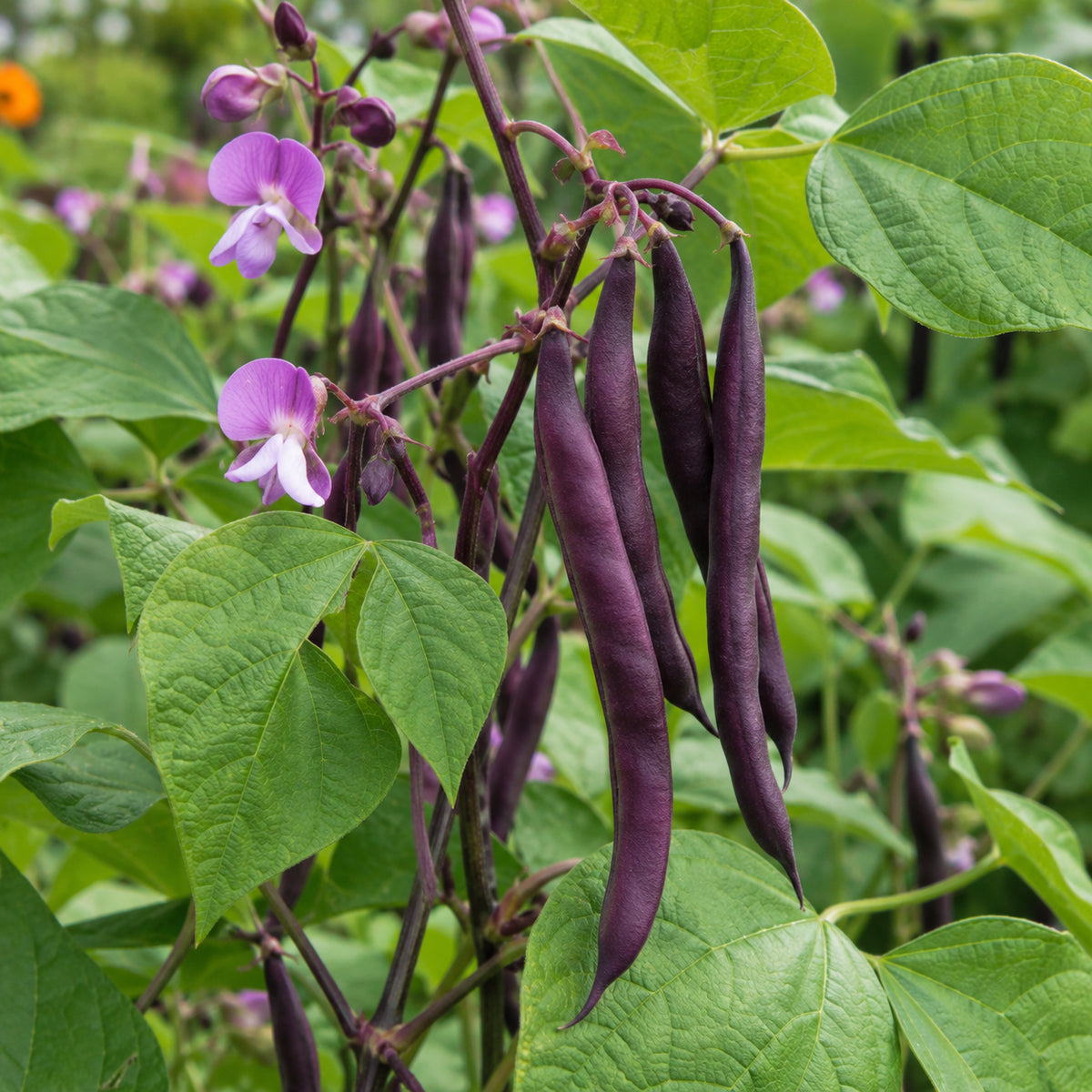
Purple Teepee's purple pods stand out against the green foliage, making them easy to spot when harvesting, even in the middle of the plant. This dwarf bean grows without the large structure needed for pole beans. Its color is that of the fresh harvest: the pods turn green when cooked. Choose it to add variety to the look of your vegetable garden while harvesting young, tender beans.
Characteristics:
- Purple pods that turn green after cooking.
- Dwarf growth habit and foliage made up of three leaflets.
- Harvest young pods for cooking.
Sowing tips:
-
Timing: Sow from May to July, after the frosts, in soil that has already warmed up. A calendar date alone isn't enough if the soil is still cold and wet.
-
Depth: Place the seeds 3–4 cm deep in loosened soil. Cover the furrow, then water without waterlogging.
-
Planning: If you want to spread out your harvests, opt for several small successive sowings rather than one large bed. Our guide to sowing methods covers the preparation steps.
Growing and care tips:
Choose a sunny spot and soil that stays cool while allowing water to drain. Leave enough space to reach the plants and pick without breaking the stems. Weed at first, then mulch once the soil has warmed up and the plants are well established. Water at the base during dry periods, paying particular attention during flowering and pod formation. Avoid letting this stage take place in parched soil.
Harvesting tips:
As a general guide, the first harvests take place about 8 to 10 weeks after sowing, depending on the temperature and growing conditions. The visible stage is the best indicator: choose young, tender pods whose beans are not yet very developed. Hold the stem with one hand while picking the pod with the other, without uprooting the plant. Come back regularly so the pods don't get too large.
Uses:
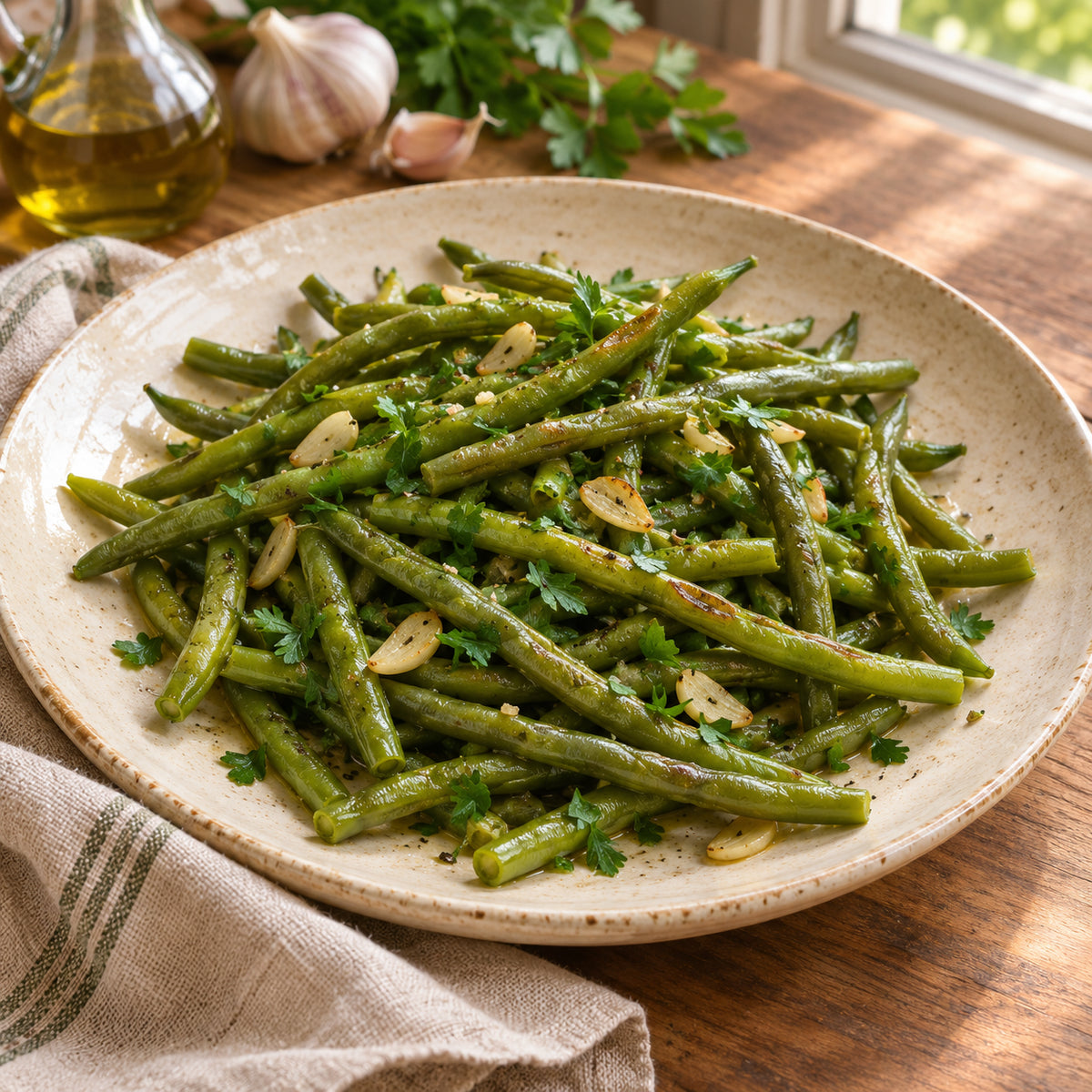
Once fully cooked, serve the pods as a side dish, in a cooked vegetable salad, or in a stir-fry. Their purple color disappears with heat, so don't expect a purple dish. Do not eat the beans raw.
In a diverse vegetable garden:
Place the bed near low-growing crops, while keeping access for harvesting and allowing in light. Border flowers add variety to the garden; they do not replace watering or monitoring young plants. Make sure a very vigorous neighboring plant doesn't cover the foliage.
Collecting your own seeds:
Set aside a few healthy, identified plants, then let their pods continue to develop well beyond the stage when they’re suitable for eating. The flowers develop into pods that contain the seeds. Wait until the seeds are fully formed and the pods have dried on the plant. Harvest in dry weather, shell them, then finish drying them under cover before sorting. Label the variety and year; keep harvests from different varieties separate. See our tips on storing harvested seeds.
Commitment to Quality:
At SemiSauvage, we offer open-pollinated seeds to cultivate diversity in the garden. This packet contains at least 50 seeds, packaged in France. The timings given are guidelines to adapt to your climate, soil, and seasonal conditions.
For a harvest that’s easy to spot among the foliage, Purple Teepee adds the color of purple pods to the vegetable garden.