Prunella vulgaris
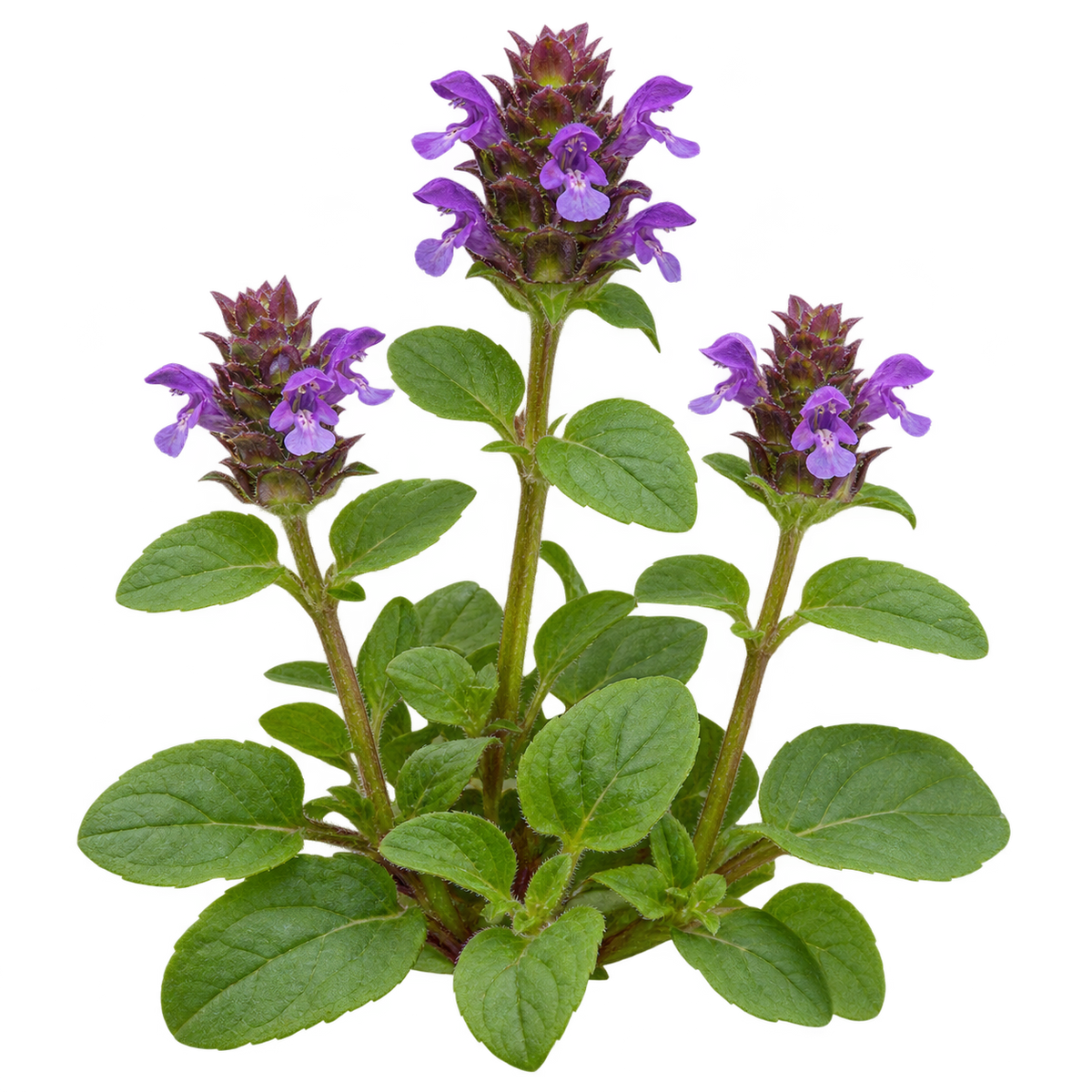
Common self-heal forms low-growing foliage, dotted in summer with short spikes of purple flowers. Each small flower has two lips and emerges from a tight cluster of bracts: up close, the plant has a much finer structure than its carpet of leaves might suggest. This perennial is at home in moist borders and naturalistic gardens. The nickname “lesser comfrey” should not be taken to mean that it is related to comfreys in the genus Symphytum.
Characteristics:
- A low-growing perennial that can gradually spread to form ground cover.
- Small, two-lipped purple flowers clustered in short spikes.
- Suitable for moist soil, in full sun or light shade.
Sowing tips:
-
Timing: sow in spring under a cold frame or in a bright shelter.
-
Tip: sow the seeds shallowly in fine potting soil and keep the moisture consistent. Germination may be slow: avoid letting the surface dry out while you wait.
-
Planting out: thin the seedlings, then transplant well-developed plants about 15 cm apart. Water to bring the root ball into contact with the soil and encourage rooting.
Find preparation steps in our guide to sowing methods.
Growing and care tips:
Choose cool soil that remains well drained, in full sun or light shade. Avoid scorching borders where the soil stays dry for long periods. While the plants are getting established, watch for competition from nearby grasses and weed by hand around young plants. Once established, self-heal can spread into a carpet: trim the edges if you want to keep it within a defined area. Cutting it back after flowering gives it a tidier appearance; leave a few spikes if you want to harvest the seeds.
Flowering and harvesting:
Flowering takes place mainly in summer. To enjoy the flowers, let the stems grow above the foliage: repeated mowing close to the ground removes the spikes before they open. In a diverse lawn, you can leave an area unmown during this period. The flowers open gradually along the spikes; when they fade, the calyces remain in place and later shelter the fruits.
Uses in the garden:
Plant self-heal at the front of a cool flower bed, along the edge of a grassy area, or among perennials that will not smother it. Its short stature lets you see taller plants in the background, while its flowers provide a resource for insects that can reach them. To maintain this benefit, time mowing to coincide with flowering.
Harvesting your own seeds:
Choose a few flower spikes from healthy plants and let them turn brown. After flowering, each calyx can contain four small dry fruits, called nutlets. Harvest them when they are brown and come away easily, before they fall. Cut the spikes over a container, finish drying them in a sheltered place, then gently shake or rub them to release the nutlets. Sort out the debris and let them dry thoroughly before sealing the storage packet. Label it Prunella vulgaris and the year of harvest to avoid confusing it with comfrey. See our tips on storing harvested seeds.
Commitment to Quality:
At SemiSauvage, we offer open-pollinated seeds to cultivate diversity in the garden. This packet contains at least 250 seeds, packaged in France. The timing provided is a guideline to adapt to your climate, soil, and seasonal conditions.
A perennial that is easy to overlook from afar, but whose flowers deserve a place where they can be admired up close.