Tagetes lucida
Mexican tarragon, anise-scented marigold, pericon, and Santa Maria herb: the Aztecs called it yauhtli and used it in their ceremonies long before the arrival of the Spanish. Its great advantage over French tarragon is that it withstands summer heat without flinching, while its European cousin grows exhausted.
Characteristics:
-
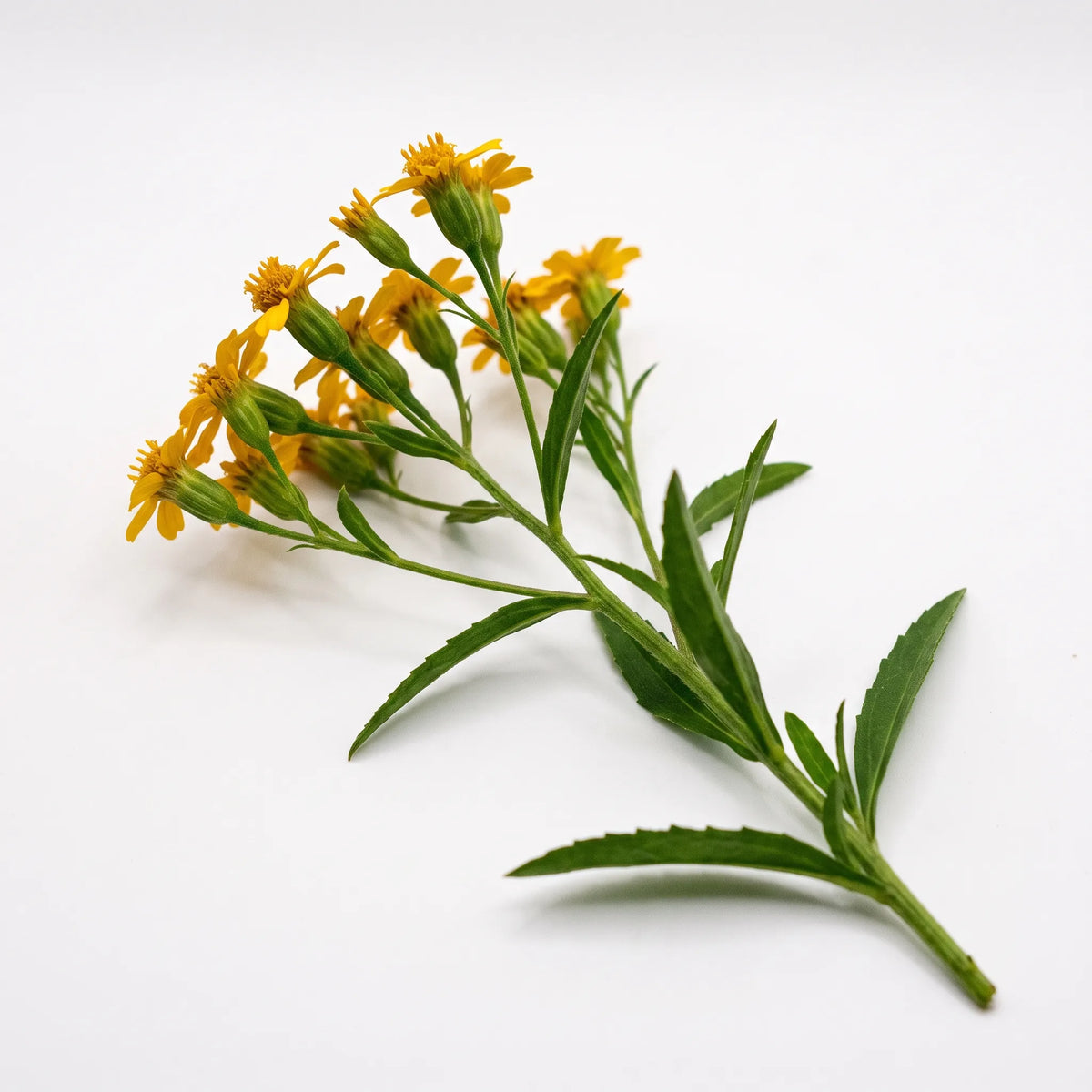
Anise aroma: the leaves and flowers give off a distinct anise fragrance, very close to tarragon.
-
Golden flowering: small bright-yellow flower heads in late summer and autumn, decorative and edible.
-
Heat-resistant: unlike traditional tarragon, it thrives in midsummer.
Precautions:
- Perennial in its native range, it is frost-tender in our climates: grow it in a pot so you can bring it indoors for the winter, or treat it as an annual.
Sowing advice:
-
Exposure: full sun; it enjoys heat.
-
Soil: ordinary, light, and well-drained, even poor soil. It mainly dislikes standing moisture. Fertilizing is unnecessary: soil that is too rich reduces the intensity of its aromas.
-
Method: sow in pots under cover from March to April (20 °C), on the surface because the seeds need light to germinate, then transplant after the frosts. No soaking or stratification. See how to sow your seeds.
Planting advice:
- Transplant into pots or the open ground after the last frosts, spacing plants 30 cm apart. Growing it in a pot is ideal for small spaces and makes overwintering easier.
Harvesting advice:
- Pick the leaves as needed, before flowering for maximum aroma. They dry very well and retain their fragrance.
Beneficial pairings:
Benefits for biodiversity:
- Its late flowering, in late summer and autumn, provides a valuable resource for pollinators at a time of year when few flowers remain.
Uses:
- Its leaves replace tarragon in cooked dishes, with the advantage of standing up better to cooking. Its flowers can be eaten fresh in salads or used as a natural dye, bringing a mustard hue to preparations. See our edible flowers.
- In Mexico, it is traditionally used to flavor cocoa drinks.
Symbolism:
A ritual plant of the Aztecs, yauhtli was burned as incense during ceremonies dedicated to the deities of water and rain.
Harvesting your own seeds:
Leave a few flower heads to dry completely on the plant until they turn brown, then thresh them: the black seeds with white tufts come away easily. See saving your seeds.
Commitment to Quality: at SemiSauvage - Permaculture, we grow and select our seeds with respect for living things as our guiding principle. Based near the Volcanoes of Auvergne, we choose reproducible, non-hybrid varieties, tested for their germination rate, carefully sorted and packaged, with no chemical treatment. Our conviction is to give gardeners back the ability to resow, year after year, seeds that truly belong to them.
An anise-scented, hardy alternative to traditional tarragon, to grow in the vegetable garden or in a pot.