
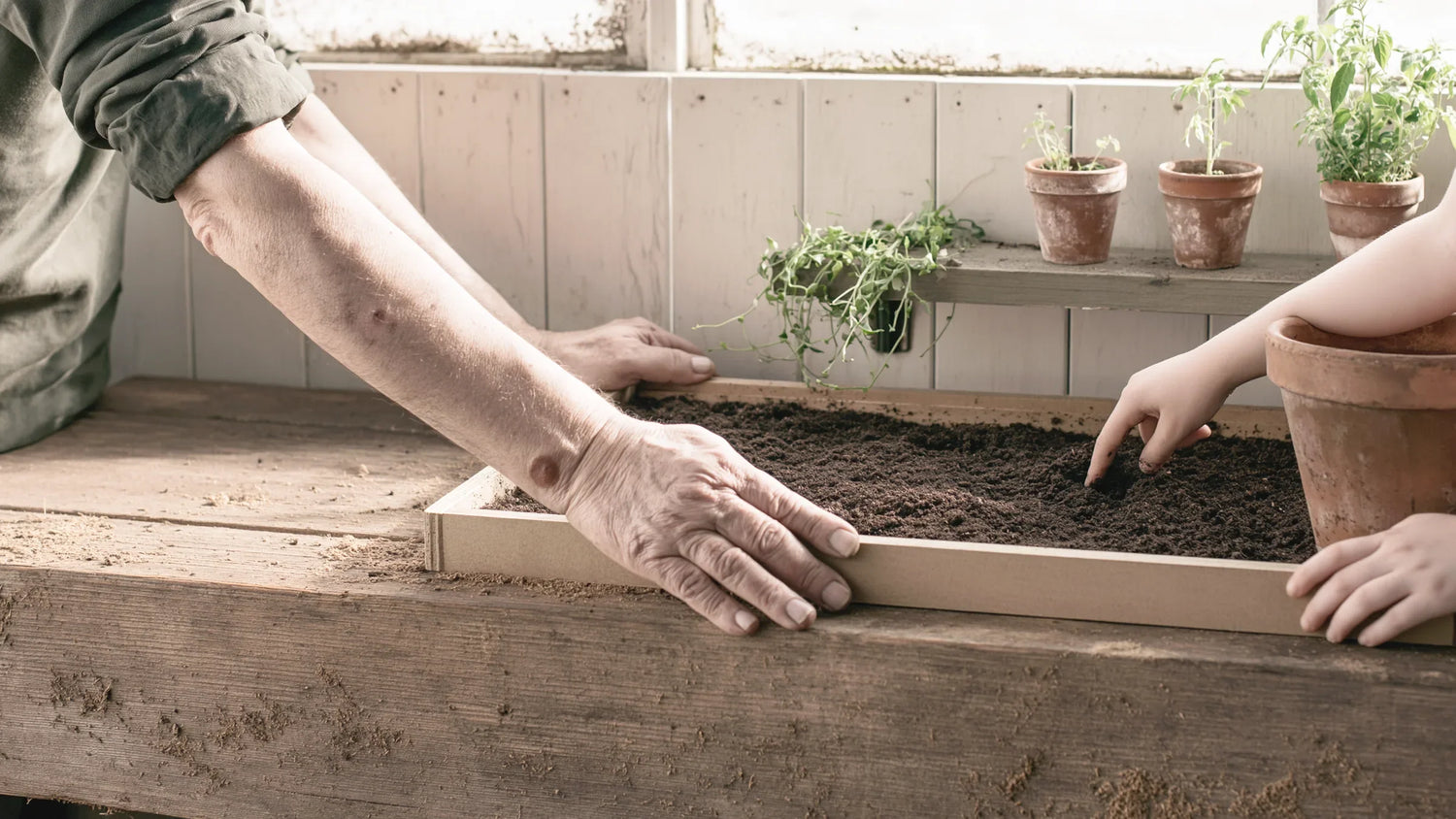
A calendar passed down from generation to generation
Long before weather apps, every region of France had its own guidelines for knowing when to sow, prune, or harvest. Some sayings traveled from one region to another and became universal; others remained characteristic of a specific area, sometimes even in a regional language. Here we have compiled as complete a chronological calendar as possible, month by month, noting the regional origin whenever it can be identified.
January
- “Prepare your new seeds for Saint Marcel’s Day.” (January 16) — the traditional time to prepare your seeds and the year’s planting plan.
- “In mid-January, spread your manure.” (January 15) — nourishing the soil in the heart of winter so it will be ready in spring.
- “If it freezes on Saint Vincent’s Day, the wine rises like blood.” / “On Saint Vincent’s Day, the sap rises in the vine shoots.” (January 22) — frost on this date was thought to herald a good wine-growing year, and it also marks the grapevine-pruning season.
- “A frosty January means a fruitful year.” — a thoroughly frozen January was thought to bode well for the coming fruit harvest.
- “January gathers the logs, February burns them all.” — January is the month for cutting and storing firewood, which is then burned in February.
- “The first 12 days of January predict the weather for the year’s 12 months.” (Béarn saying) — an evocative way of encouraging close observation of the weather at the start of the year.
February
- “If you sow leeks on Saint Agatha’s Day, you’ll get four shoots for every one.” (February 5) — a traditional time to sow leeks and onions, even though the cold has not yet gone.
-
“February is a good month for sowing carrots and peas.” — a simple guideline for starting the season’s first sowings under cover.
Discover our Nantes Carrot seeds - “By Saint Eugenia’s Day, all sowing must be finished.” (February 7) — traditionally marking the end of an initial winter sowing window.
- “On Saint Valentine’s Day, the winegrower must have the pruning hook in hand.” (February 14) — confirming that grapevine pruning is in full swing in mid-February.
- “A vine pruned in February fills the basket with grapes.” — February remains a good time to finish pruning the grapevines if it was not done in January.
- “On Saint Honorine’s Day, the hawthorn buds.” — a late-February marker for the appearance of the first buds on hedges.
- “February too mild, spring in turmoil.” / “If February has no squalls, all the months will have their mischief.” — a February that is too mild or too calm would herald an unsettled spring.
March
- “March’s north wind and April’s wind bring wealth to the country.” (Savoyard proverb) — winds at the beginning of spring were thought to herald good harvests to come.
- “Prune on Saint Paulinus’s Day to have large grapes.” (March 1, also attributed to Saint Aubin’s Day in some regions) — another marker at the very beginning of March for pruning vines.
- “Prune early, prune late, nothing beats pruning in March.” — March remains the reference month for pruning shrubs and fruit trees.
- “Windy March, bountiful orchard.” — March winds were thought to promote the pollination of fruit trees.
- “For Saint Joseph’s Day, prune the garden trees.” / “For Saint Joseph’s Day, the swallow comes and goes.” (March 19) — another reference point for pruning, and a symbolic sign of spring’s return.
- “On Saint Cunegonde’s Day, the earth becomes fertile again.” (March 3) — it marks the warming of the soil, favorable for the first sowings.
- “Sow peas on Saint Patrick’s Day, and you’ll have them whenever you wish.” (March 17) — a traditional date considered favorable for sowing peas.
- “Sow your peas on Saint Benedict’s Day, and you’ll have them for three months.” (March 21) — sowing peas at the very beginning of spring ensures a staggered harvest.
- “Saint Casimir’s mildness frightens gardeners and ploughmen.” — an early spell of mild weather in early March would be suspicious, often followed by a cold snap.
- “March dust, golden dust.” — a dry March was considered a good omen for the year’s crops.
- “March snow burns the bud.” — a late snowfall can damage young buds.
- “In March, whoever sows too thickly harvests little.” — a warning against sowing too closely.
- “On March 25, you shall clean meadows and trellises.” (March 25) — the last major spring cleanup.
- “March hammers, April stabs.” — a popular image suggesting that March’s bad weather is sometimes merely a foretaste of April’s.
April
- “In April, don’t take off even a thread.” — reminds us that it can still freeze in April despite the fine weather.
- “An April flower hangs by a thread.” (variant from Hérault, Gard, and Lozère) — emphasizes the fragility of the first flowers in the face of the last cold snaps.
- “On Saint-Fulbert’s Day, we receive the April showers for winter.” (April 10) — April showers remain frequent.
- “April’s caprice makes the flowers fall and the plowmen tremble.” — April frosts and gusts of wind can damage fruit-tree blossoms in full bloom.
- “On Saint George’s Day, sow your barley.” (April 23) — a traditional marker for sowing spring cereals.
- “April makes the flowers, and May takes the credit.” — buds form in April, but it is in May that the bloom fully reveals itself.
- “April and May are the keys to the year.” — most of the season’s sowing and planting takes place during these two months.
- “When it freezes in March, it freezes just as many times in May.” (Norman proverb) — links late spring frosts to the earlier frosts of March.
- “Once the red moon has passed, frost is no longer feared.” — the period of the “red moon” (mid-April to early May) is traditionally dreaded for its frosts.
- “In April, prune what needs pruning, and in May, do as you please.” — April remains a period for moderate pruning.
May
- “Always face the three Ice Saints.” (May 11–13) — Mamert, Pancrace, and Servais traditionally mark the end of the risk of late frosts.
- “Ice Saints, beware, for they bring the cold of Saint-Urbain.” (May 25) — extends the caution through Saint-Urbain.
- “Once Saint-Servais has passed, you can sow.” — confirms the end of late frosts: the main spring sowing can begin.
- “After Saint-Angèle, the gardener no longer fears frost.” — a late confirmation that the risk of frost has definitively passed.
- “A rainy May makes the farmer happy.” (Auvergne proverb, Cantal) — a wet May is considered a good omen for the harvests to come.
- “In mid-May, winter’s tail, but at Saint-Honoré, plenty of green peas.” — a marker for harvesting the first peas.
- “Beans sown on Saint Didier’s Day yield half a setier.” (May 23) — a traditional date considered favorable for sowing beans.
- “May dew fills the granary.” — abundant dew in May was considered a good omen for the harvests.
- “As long as May has not reached the twenty-eighth, winter is not quite over.” — a reminder to remain cautious until the very end of May.
- “As the gardener, so the garden.” — a timeless reminder that a garden always reflects the care it receives.
June
- “In May, do as you please; in June, eat what comes your way.” — May is the month for all kinds of work; by June, the first harvests have already arrived.
-
“When the cows go out to pasture, sow your leeks.” — the livestock’s return to pasture marks the right time to sow leeks.
Discover our Leek seeds - “Between Saint Peter’s and Saint Paul’s days, plant the leeks and cabbages.” (June 29) — a traditional window for transplanting winter leeks and cabbages.
- “On Saint Barnabas’ Day, sow the turnips.” (June 11) — a traditional guideline for sowing summer turnips.
- “If it rains on Saint Medard’s Day, it will rain for forty days afterward, unless Saint Barnabas comes to stop it.” (June 8–11) — one of the best-known weather sayings of the year.
- “On Saint Anthony of Padua’s Day, the weather is always mild.” (June 13) — a traditional sign of mild weather in mid-June.
- “Saint John’s rain takes away the winemaker’s pruning shears and the gardener’s basket.” (June 24) — rain on this date was believed to foretell poor harvests.
- “Too much rain in June, and the gardener is bored.” — excessive rain in June is said to encourage disease in young plants.
- “One hoeing is worth two waterings.” — regular hoeing in June limits evaporation and the need for watering.
July
- “When July begins, sharpen your scythe.” — marks the period for harvesting cereals and cutting grass.
- “Those who want fine turnips sow them in July.” — a traditional guideline for sowing autumn turnips.
- “Saint Anne, put the meat on the hay and the wheat in the ground” — “On Saint Anne’s Day, put the meat on the hay and the wheat in the ground.” (Breton saying, July 26) — marks the end of the hay harvest and the beginning of winter wheat sowing in Brittany.
- “July without thunderstorms, famine in the village.” — an excessively dry July would jeopardize late-summer harvests.
August
- “In August, gather your fruit without delay.” — the peak harvesting period for tomatoes, peaches, and eggplants.
- “On Saint Abel’s Day, make your mirabelle plum preserves.” (August 5) — marks the start of the mirabelle plum season.
- “Whoever sows on Saint Lawrence’s Day loses their seed.” (August 10) — sowing so late in summer would be too late for many crops.
- “When August is good, abundance comes to the home.” / “If August is beautiful, it is a sign that winter will be good.” — a favorable August is said to bode well for the whole year.
- “A dry August is for wine; a wet August is for oil.” — grapes prefer dryness, while olives prefer moisture.
- “August rain makes truffles and chestnuts.” — August rains are said to encourage a good harvest of truffles and chestnuts in autumn.
September
- “September is called the May of autumn.” — September is said to offer garden conditions as favorable as May does in spring.
- “On Saint Onesiphorus’ Day, the sap falls asleep.” (September 6) — symbolically marks the slowing of vegetation.
- “On Saint Regina’s Day, sow your seeds.” (September 7) — a traditional marker for the last autumn sowings.
-
“On Saint Apollinaris’ Day, the last sowing of lettuce in the open ground.” (September 12) — the traditional last date for sowing lettuce before winter.
Discover our Romaine Lettuce seeds - “On Holy Cross Day, pick your apples and knock down the walnuts.” (September 14) — a traditional marker for the start of the apple and walnut harvest.
- “On Saint Damian’s Day, walnuts line the paths.” — walnut harvesting traditionally begins in September.
- “From Michaelmas to All Saints’, plow at a good pace.” (September 29) — encourages making the most of this period to prepare the soil before winter.
- “In September, if the osier blooms, the grape ripens.” / “In September, fine rain is good for the vineyard.” — two observations linking September vegetation to grape maturity.
October
- “October rain, December bread.” (Breton saying) — autumn rains are said to benefit cereal crops.
- “On Saint Denis’s Day, gather your fruit.” (October 9) — the traditional final opportunity to finish harvesting the orchard.
-
“On Saint Luke’s Day, the beet becomes sugar.” (October 18) — the beet, left in the ground all summer, has finished accumulating its sugar.
Discover our Chioggia Beet seeds - “A little summer may still return around Saint Geraud’s Day.” (October 13) — a warm spell (Indian summer) is possible in mid-October, without heralding a lasting return of fine weather.
- “Saint Simon and Saint Jude, winter has arrived.” (October 28) — symbolically marks the transition to the cold season.
- “Plow under a new moon, and your harvest will be beautiful.” — one of the rare sayings to directly combine the saints’ calendar with the lunar calendar.
- “In October, whoever does not fertilize well will harvest nothing.” — mulching and enriching the soil in October nourishes the following spring’s crops.
November
- “On Saint Catherine’s Day, every piece of wood takes root.” (November 25) — the best-known saying in the gardeners’ calendar.
-
“Sow your carrots on Saint Catherine’s Day, and you’ll have nice, plump ones.” — a variation applied this time to sowing winter carrots under cover.
Discover our Nantes Carrot seeds - “On Saint Martin’s Day, draw your wine.” (November 11) — traditionally marks the time to taste the year’s new wine.
- “Whoever plants during Advent gains a year’s head start.” — planting at the very beginning of winter gives the roots time to establish themselves well.
- “After Saint Clement’s Day, rain and wind.” (November 23) — announces the arrival of late-autumn bad weather.
- “In November, whoever adds nothing to the soil harvests nothing.” — the last opportunity to enrich the soil before full winter sets in.
December
- “Wheat sprouted on Saint Barbara’s Day is a sign of abundance to come.” (Provençal tradition, December 4) — wheat is sprouted in small dishes; a healthy shoot is said to herald a good year.
- “If Saint Eloi is very cold, the great cold lasts four months.” (December 1) — a weather saying announcing a long winter in the event of an early cold spell.
- “On Saint Nicaise’s Day, frosts are born.” (December 9) — traditionally marks the arrival of the first severe frosts of winter.
- “December takes and does not give back.” — reminds us that vegetation enters complete dormancy.
Vegetable garden sayings, for all months
- “Sow your carrots on Saint Joseph’s Day and pull them up on Saint Michael’s Day.” (March 19 – September 29) — the complete carrot calendar, from sowing to harvest.
- “When primroses bloom, it is time to sow carrots.” — primrose flowering serves as a natural marker for sowing.
Sayings about fruit trees and orchards
- “Once February has begun, you can prune any fruit tree.” — an old guideline placing the start of fruit-tree pruning in February.
- “Fruit trees have little success when planted too close together.” — a reminder of the importance of proper spacing between trees.
- “Without manure, no good soil; with manure, good fruit for sure.” — highlights the role of soil fertilization in fruit quality.
- “Whoever prunes their tree tends to their descendants.” — proper pruning today prepares the tree for vigorous growth in the years to come.
- “Trees grafted during the waxing moon will not bear fruit for thirty years.” — a belief linking grafting success to the lunar phase, to be taken as a piece of folklore.
- “Trees intended for timber are felled during the waning moon, so that worms do not infest them.” — wood was traditionally cut during the waning moon, which was believed to protect it from insects.
Sayings about flowers
- “No tree has borne fruit without first having had flowers.” — flowering is a necessary step before any fruit production.
- “The wind does not make all the flowers fall; the sun does not ripen all the fruit.” — an invitation to moderation: weather hazards never affect the entire garden uniformly.
Where do all these sayings come from?
Most of these sayings have circulated from region to region over the centuries and are now considered part of France’s oral heritage as a whole. Some, however, remain strongly rooted in a particular region or language (Breton, Savoyard, Auvergnat, Béarnais, Provençal, Norman...) — we have indicated this whenever the origin could be identified.
To find our complete collection of sayings, along with the full lunar calendar:
Visit our “Gardening with the Moon” page
In summary
From Cantal to Brittany, via Savoie and Provence, each region has its own words for saying the same thing: observe nature to become a better gardener. Pick your favorites!

Leave a comment
This site is protected by hCaptcha and the hCaptcha Privacy Policy and Terms of Service apply.