
في هذا المقال 7
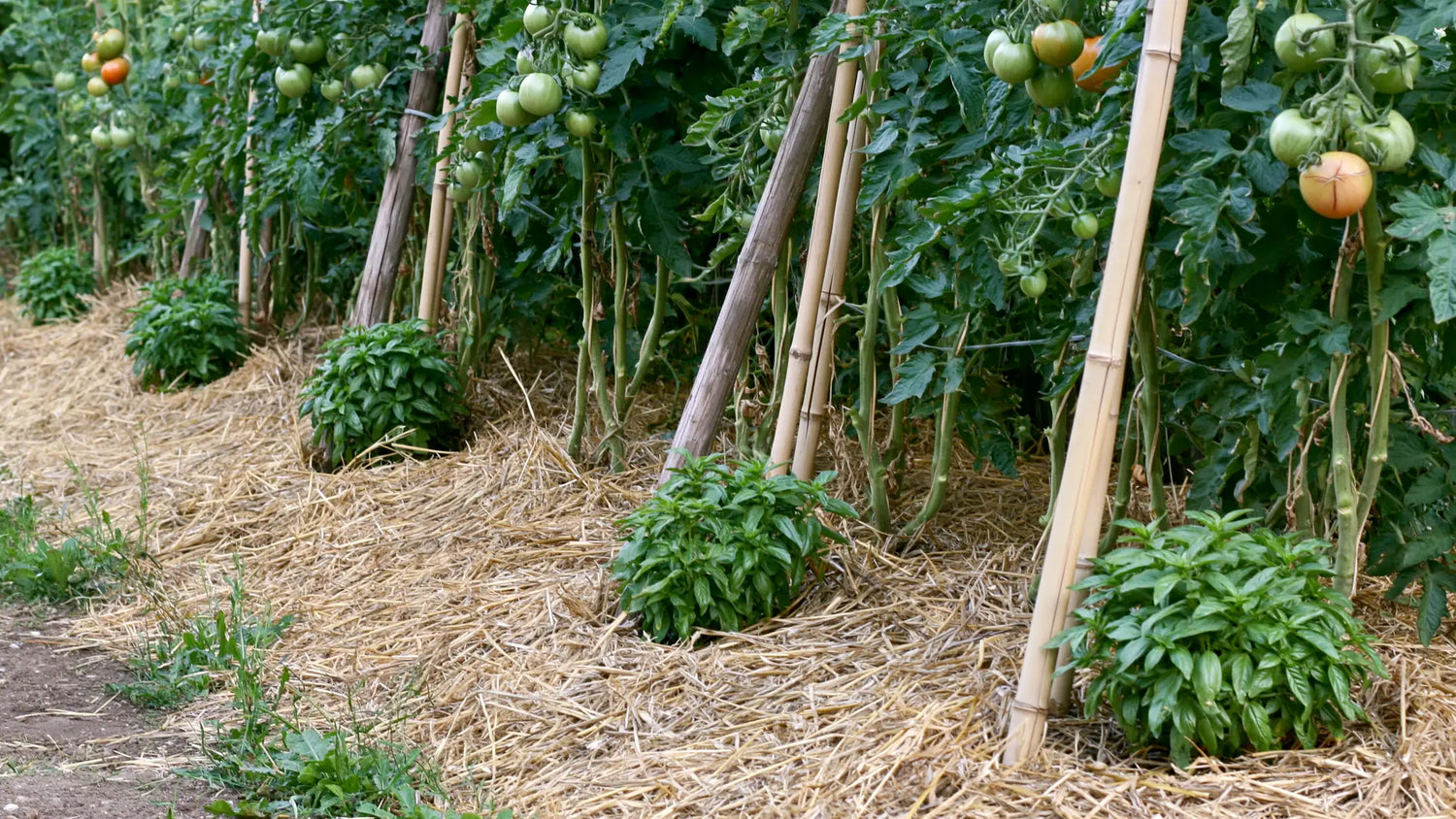
إنها أشهر شراكة في حديقة الخضروات. وتظهر في جميع الجداول، منسوخة منذ عقود، وتُقرن عادة بادعاءين: أن الريحان يبعد آفات الطماطم، وأنه يحسن مذاقها.
الأولى تستند إلى آلية حقيقية، لكنها جزئية. أما الثانية فلا تستند إلى شيء. والسبب الحقيقي لتوافقهما — وهو ما يهم عند الزراعة — نادرًا ما يُذكر.
الخرافة: «الريحان يحسن مذاق الطماطم»
لا تثبت ذلك أي دراسة، كما أن الآلية اللازمة لتفسيره غير موجودة: فالنبات لا ينقل روائحه إلى جاره عبر الجذور أو الهواء. والمركبات العطرية في الريحان موجودة في أنسجته الخاصة.
من المرجح أن يكون أصل الاعتقاد طهويًا. فالطماطم والريحان متناسقان جدًا في الطبق، فأسقط الناس هذا الانسجام على الحديقة. إنها قصة جميلة، لكنها ليست حجة زراعية.
الصنف، ودرجة النضج عند الحصاد، والتعرض للشمس، وقبل كل شيء انتظام الري. فالإجهاد المائي الخفيف يركز السكريات، بينما يؤدي الإفراط في النيتروجين إلى العكس. انظر بذور الطماطم القديمة.
ما هو حقيقي: التشويش العطري
تتعرف حشرات كثيرة إلى نباتها المضيف من خلال الرائحة، وأحيانًا من مسافة عشرات الأمتار. وتتبع الأنثى الباحثة عن موقع لوضع البيض إشارة كيميائية تصدرها الأوراق. ويؤدي إدخال نبات عطري قوي إلى تشويش هذه الإشارة وتأخير وضع البيض، بل قد يمنعه.

الريحان غني بالزيوت العطرية — اللينالول والأوجينول والإستراجول بحسب الأصناف — ويُعد من أكثر النباتات العطرية فاعلية في هذا الصدد. وقد وُثّق تأثيره خصوصًا على الذبابة البيضاء، وهي آفة شائعة تصيب الطماطم في البيوت المحمية.
القرب ضروري — يعمل التمويه العطري على مسافة قصيرة. يجب أن يكون الريحان عند قاعدة النبتة، وفي الحيز الهوائي نفسه.
التأثير جزئي وليس مطلقًا — فهو يخفف الضغط ولا يقضي عليه. ولن يوقف الريحان اجتياحًا مستقرًا.
لا يتعلق الأمر باللفحة المتأخرة — فهي فطر لا يمكن التعرّف إليه بالرائحة؛ إذ تصل أبواغه مع الرياح والأمطار. ولا يحمي أي نبات مرافق من العدوى الفطرية.
السبب الحقيقي: تُعتنى بهما بالطريقة نفسها
إنها الحجة الأقوى، والأقل طرحًا.
- الاحتياجات الحرارية نفسها — كلاهما من أصل دافئ، وكلاهما يُزرع بعد آخر موجات الصقيع، وكلاهما يموت بسبب البرد.
- التعرض نفسه — شمس كاملة.
- نظام ري متماثل — منتظم، عند القاعدة، وليس على الأوراق مطلقًا. وهذا أمر مهم جدًا: فمعظم الزراعات المشتركة الفاشلة تفشل لأننا نضع جنبًا إلى جنب نباتًا يحتاج إلى الماء وآخر لا يحتاج إليه.
- طبقات جذرية مختلفة — تمتد الطماطم عميقًا، بينما يبقى الريحان في أول عشرين سنتيمترًا. لذلك لا يتنافسان على الحيز نفسه من التربة.
- تظليل مفيد — في ذروة الصيف، تحمي أوراق الطماطم الريحان من أشد ساعات الحر، مما يؤخر إزهاره.
بعبارة أخرى: حتى من دون أي تأثير طارد، سيظل هذا الجمع مفيدًا. وهذا هو المعيار الذي ينبغي اعتماده عند إعداد توليفاتكم الخاصة — راجعوا أفضل الزراعات المشتركة للخضراوات في الحديقة.
كيفية تطبيق ذلك بطريقة صحيحة
- نبتة ريحان واحدة لكل شتلتَي طماطم، تُزرع على مسافة 20–30 سم من الشتلة، في الجانب الأكثر تعرضًا للشمس.
- ازرعوه بعد الطماطم، بعد أن تستقر جيدًا. فالريحان الصغير الذي يُزرع في الوقت نفسه تهيمن عليه الطماطم.
- أبعدوا الغطاء العضوي بضعة سنتيمترات عن عنق الريحان — فهو حساس للتعفن عند ملامسته مادة رطبة.
- اقرطوا الريحان بانتظام: فكلما ازداد كثافة، زاد إفرازه للزيوت العطرية، واشتد تأثيره العطري.
- اتركوا إحدى الشتلات تزهر في نهاية الموسم، على الحافة: فالزهور تجذب الحوامات والنحل، وتتغذى يرقاتها على حشرات المن.
- اتركوا مسافات واسعة بين شتلات الطماطم رغم ذلك — من 60 إلى 80 سم. فالريحان لا يعوض نقص التهوية.
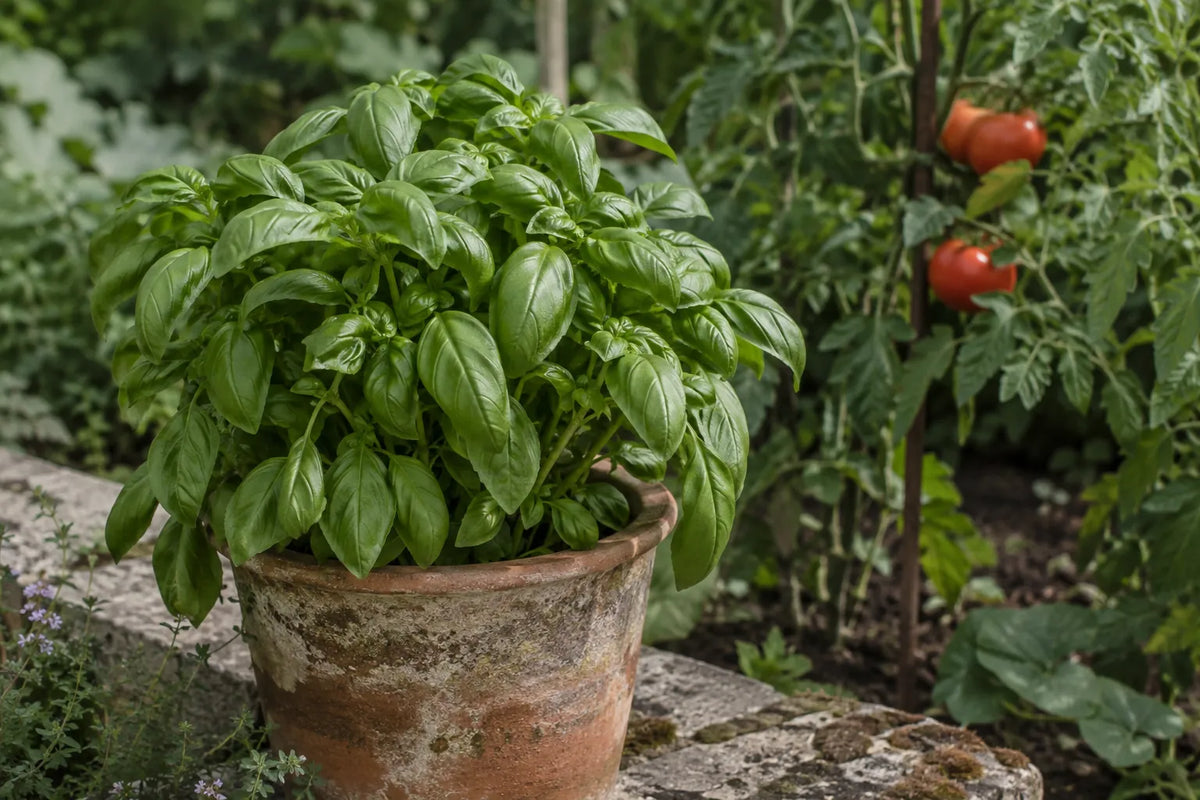
ينجح هذا الجمع أيضًا، لكن مع تحفظ: ففي حيز محدود تصبح منافسة الجذور حقيقية من جديد. خصصوا ما لا يقل عن 30 لترًا لثنائي الطماطم والريحان، وتقبلوا أن يبقى الريحان متواضع الحجم. راجعوا حديقة الخضراوات في الشرفة.
استكمال الزراعة المشتركة
الريحان وحده لا يصنع نظامًا متكاملًا. إليك ثلاثة نباتات رفيقة تُضاف إليه حول الطماطم:

- القطيفة — التأثير العطري نفسه، كما أن جذورها تفرز مواد فعالة ضد بعض الديدان الخيطية. لكن بشرط زراعتها بكثافة فعلية: فبضع شتلات للزينة لا تُحدث تأثيرًا قابلًا للقياس على الديدان الخيطية.
- الكبوسين — نبات طُعم لحشرات المن، يُزرع على الحافة وليس في الوسط، في الجهة المواجهة للرياح السائدة.
- نبات من الفصيلة الخيمية مزهر — الشبت أو الكزبرة إذا تُركا ليزهرَا. إنه أفضل مورد لذباب الحوامات البالغ، الذي تتغذى يرقاته بشراهة على حشرات المن.
الطماطم والبطاطس جنبًا إلى جنب. كلاهما حساس للّفحة المتأخرة، وقد ينقل أحدهما العدوى إلى الآخر. أبعد بينهما قدر ما تسمح به حديقة الخضروات لديك.
الأسئلة الشائعة
هل ينبغي زراعة الريحان في الحفرة نفسها مع الطماطم؟
لا. اترك مسافة 20-30 سم، في المساحة نفسها لكن ليس في الكتلة الترابية نفسها: يحتاج كلاهما إلى حيّز جذور خاص به، حتى إن لم يستغلا الأعماق نفسها.
هل يحمي الريحان من اللفحة المتأخرة؟
لا، وهذا هو الالتباس الأكثر ضررًا. اللفحة المتأخرة فطر تنقله الرياح والأمطار، ولا يتأثر بالروائح. لمكافحتها: اترك مسافات مناسبة، واستخدم التغطية الأرضية لتجنب تناثر التربة، وأزل الأوراق السفلية، واسقِ عند قاعدة النبات فقط.
أي صنف من الريحان هو الأكثر فاعلية؟
الأغنى بالزيوت العطرية، وبالتالي الأكثر عبقًا: الريحان الأخضر الكبير الكلاسيكي والريحان التايلاندي. كما ينجح الريحان الأرجواني، ويمتاز بكونه زينة جميلة جدًا على الحواف. راجع بذور الريحان: كيفية زراعتها وتنسيقها.
هل يمكن حصاد بذور كليهما؟
نعم، وبسهولة: الطماطم والريحان كلاهما ذاتي التلقيح، لذا فإن التهجين العرضي نادر. وهذا أحد أفضل الثنائيات للبدء في حصاد البذور الخاصة بك. راجع كيفية حفظ بذورك.
هل ينبغي تصديق التنسيقات التقليدية الأخرى؟
طبّق الاختبار نفسه: ما الآلية الفعّالة؟ المساحة، أو الرائحة، أو نبات الطُعم، أو الكائنات النافعة، أو النيتروجين. إذا لم ينطبق أيٌّ من هذه العوامل الخمسة، فمن المحتمل أن يكون هذا التنسيق مأخوذًا من جدول نُسخ من دون تحقق.
ما يجب تذكّره
خرافة من ناحية النكهة، وحقيقة جزئية من ناحية الآفات، وحقيقة راسخة من ناحية توافق الزراعة. ازرعوهما معًا — لكن للسبب الصحيح، ومن دون الاعتماد على ذلك لتجنب ترك مسافات مناسبة والري عند قاعدة النبات.
للمزيد من المعلومات
- أفضل تنسيقات الخضروات في حديقة الخضروات
- بذور الريحان: كيفية زراعتها وتنسيقها
- بذور الطماطم القديمة: الأصناف، والزراعة، والعناية
- تنسيق الزهور مع حديقة الخضروات
لتكوين هذا الثنائي: بذور الطماطم والريحان لدينا — وكلها قابلة لإعادة إنتاج البذور.

اترك تعليقًا
This site is protected by hCaptcha and the hCaptcha Privacy Policy and Terms of Service apply.